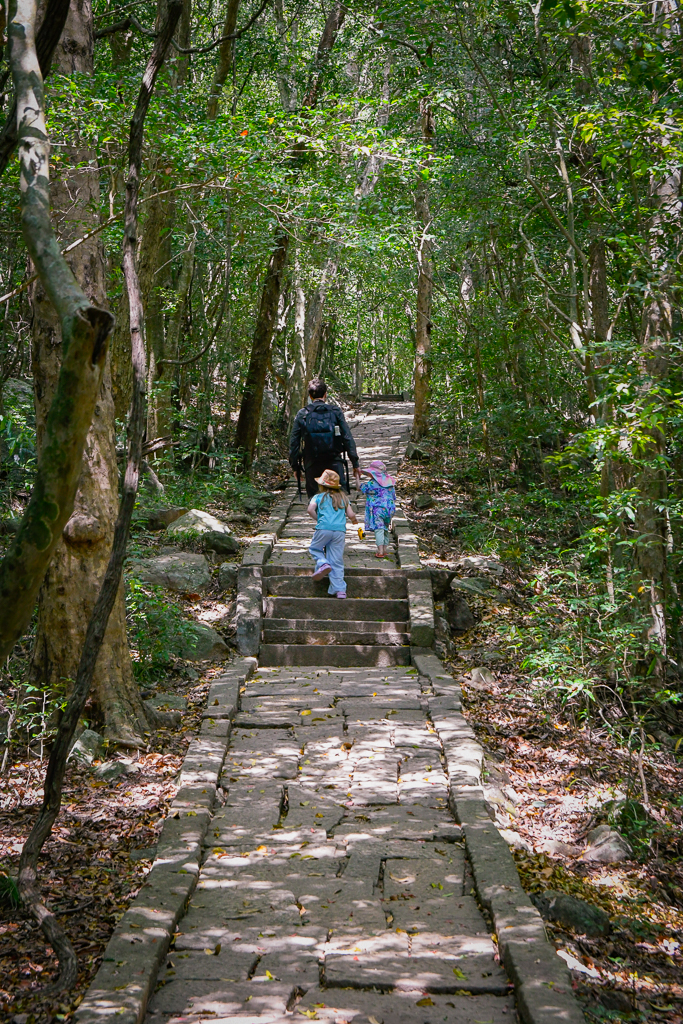
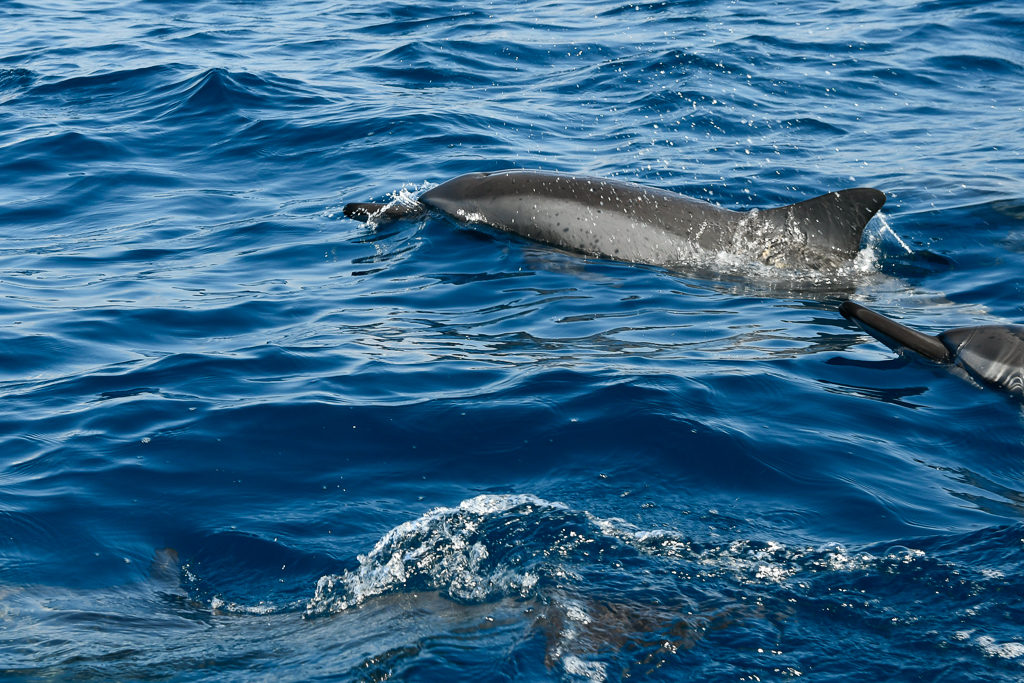
In case you missed it, my first Sri Lanka post covered the practical stuff (like getting there, transport, climate, etc.) and why you absolutely should go with kids! It also shares how we arranged the most incredible dolphin-watching trip.
The second post was mainly about the kids’ (aged 3 and 6) first safari experience, in Wilpattu National Park, with a few cultural mini-adventures thrown in for good measure. The full 11-day family itinerary can be found at the end of this post. But now, on with the journey into Habarana.
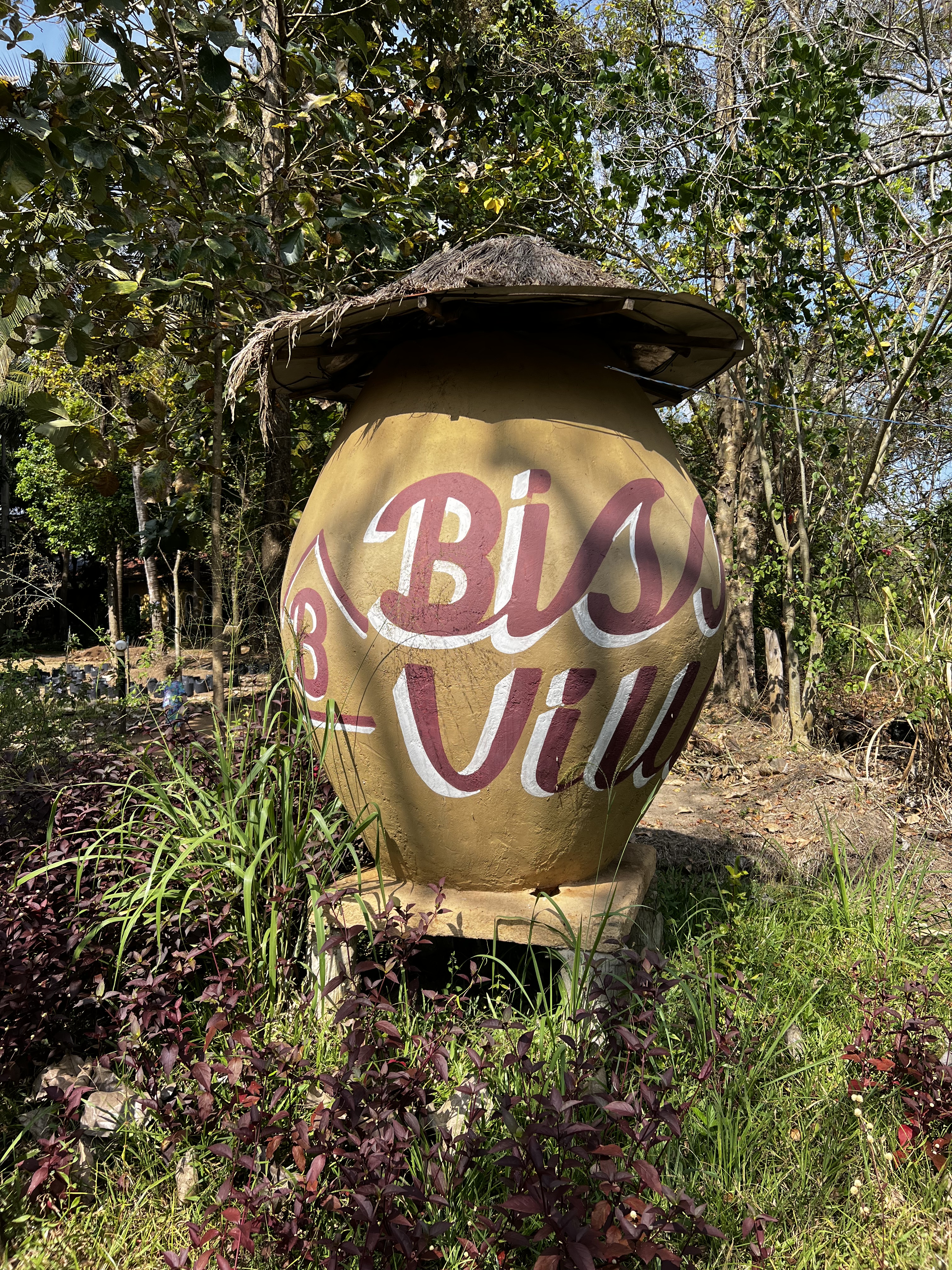
Many accommodations deserve little more than a brief mention. Some, not even that. But half of this post is about the incredible Bissa Villa, run by Kaushi, her husband Samitha and his friend Tharindu, where we stayed in a large, detached family room for four nights. The other half is about the ancient ruins of Ritigala Forest Monastery, our first longer stop in the Cultural Triangle.
Habarana Accommodation – Bissa Villa:
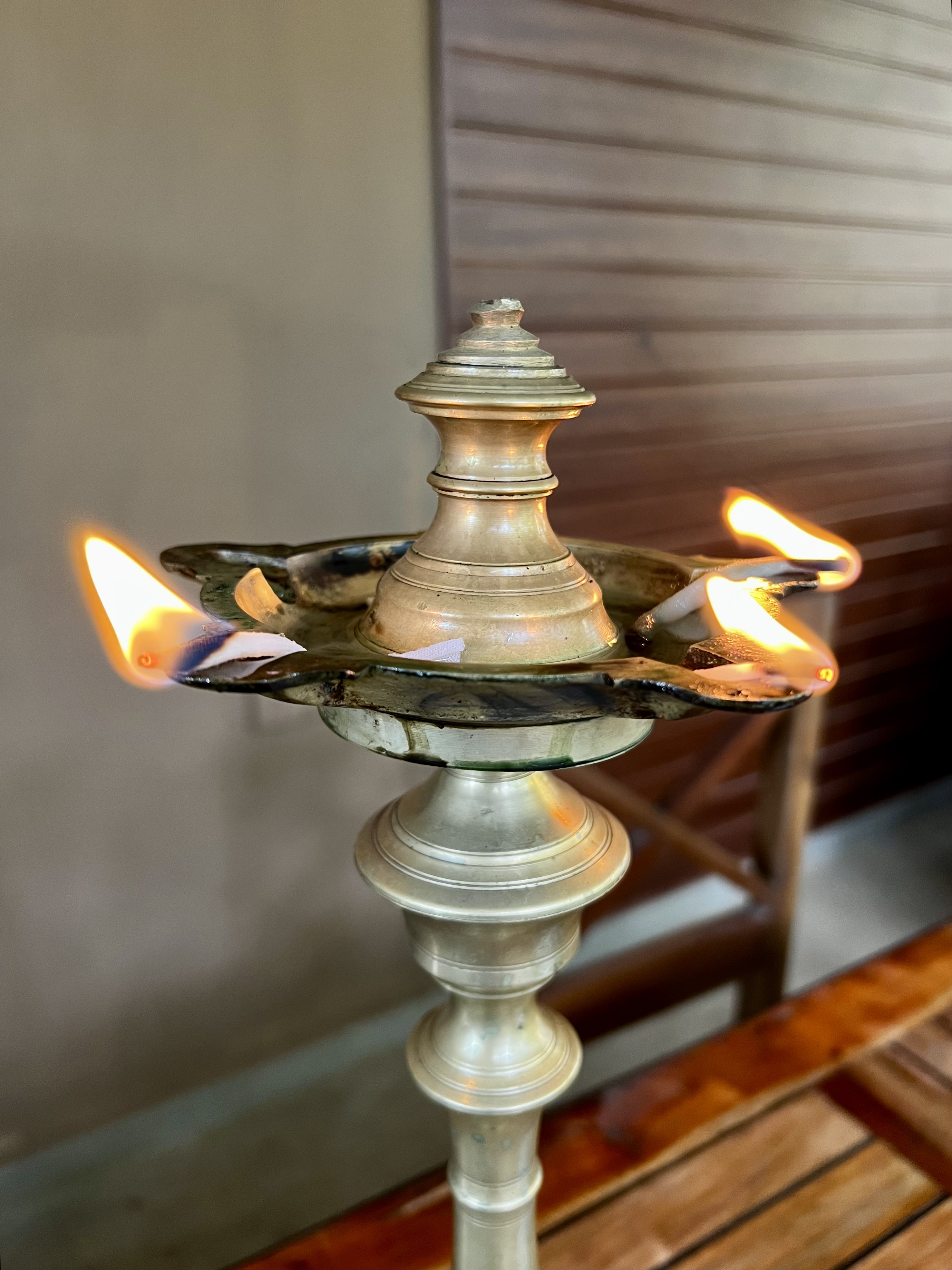
It all started with the most beautiful welcome I think we’ve ever had anywhere. One of the young men who works there beat a gäta beraya drum as Kaushi brought out a brass thel lampuna – a traditional oil lamp. Using a candle, each of us was invited to light one of the four wicks placed around the rim. This is a traditional way to honour guests and mark the start of auspicious events, showing respect and symbolising wishes of prosperity and wellbeing. It was followed by glasses of fresh juice – the more common Sri Lankan welcome. Lovely Kaushi is also the most hospitable person we’ve met in a long time and the mutual bond formed immediately between her and the girls is one they’ll remember for many years to come.
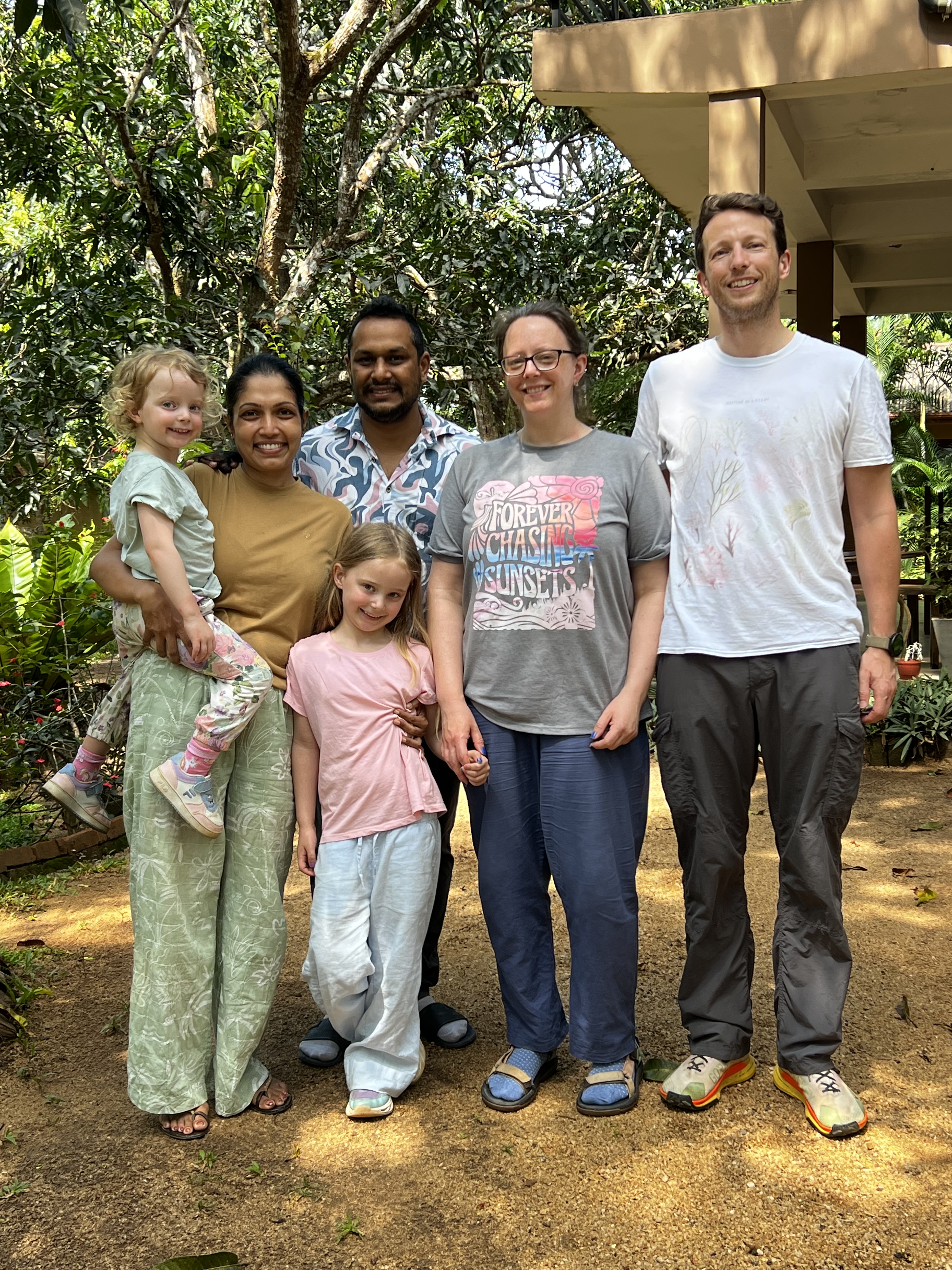
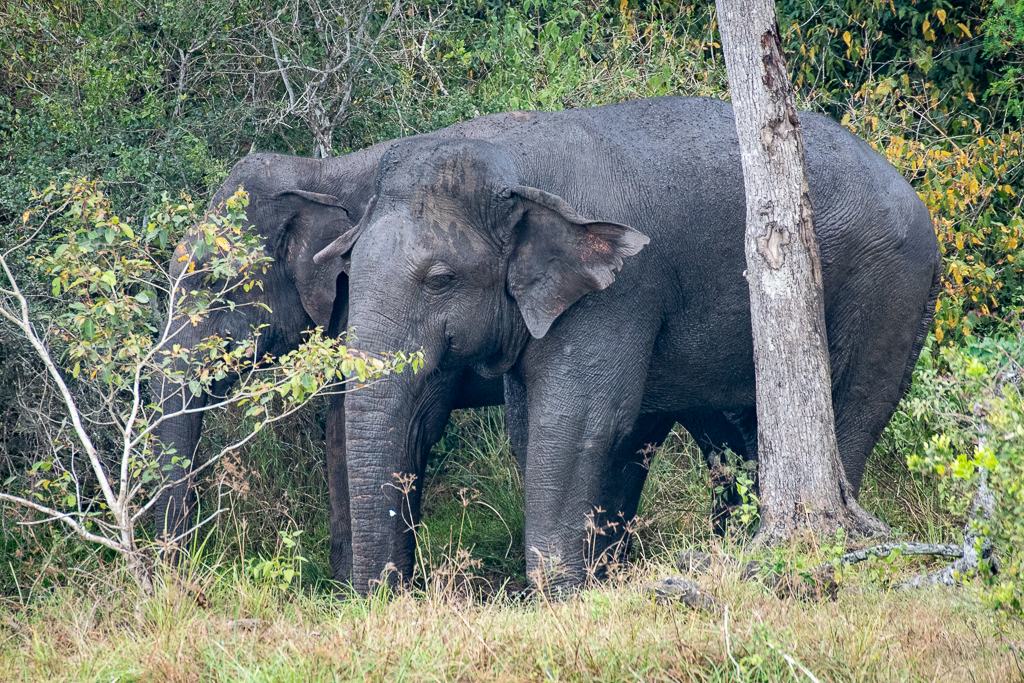
During our stay, we learnt a lot from Kaushi about the realities of living in this area: elephant country. Most homes and businesses are encompassed by high electric fences – often just switched on at night – to stop the four-tonne visitors. Depending on the voltage, this can kill the elephants, and would certainly kill any unwitting human.
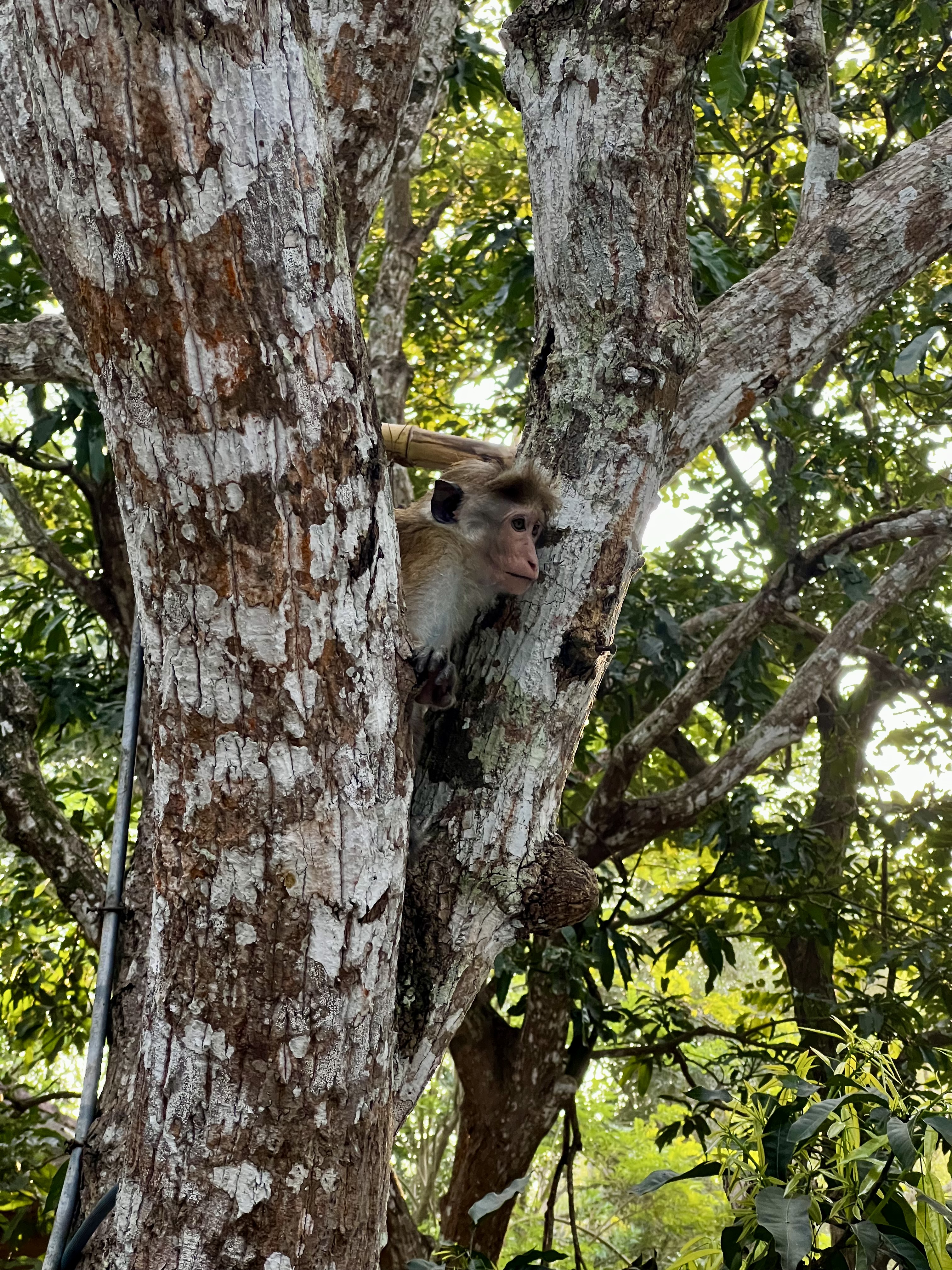
But Bissa Villa is different. It’s built upon the oldest rice mill in the areas so the elephants remember that they used to come here. And so they still do. Kaushi and Samitha don’t want to injure elephants and appreciate that it is us who have invaded their land, not the other way around. But they certainly bear the scars of this decision. The elephants steal all their mangos, knock down their coconut trees for the sweet, fleshy insides and steal all the vegetables they’re trying to grow. On top of the chilli-stealing peacocks and the general thievery and annoyance of the monkeys, Bissa Villa has a lot to contend with!
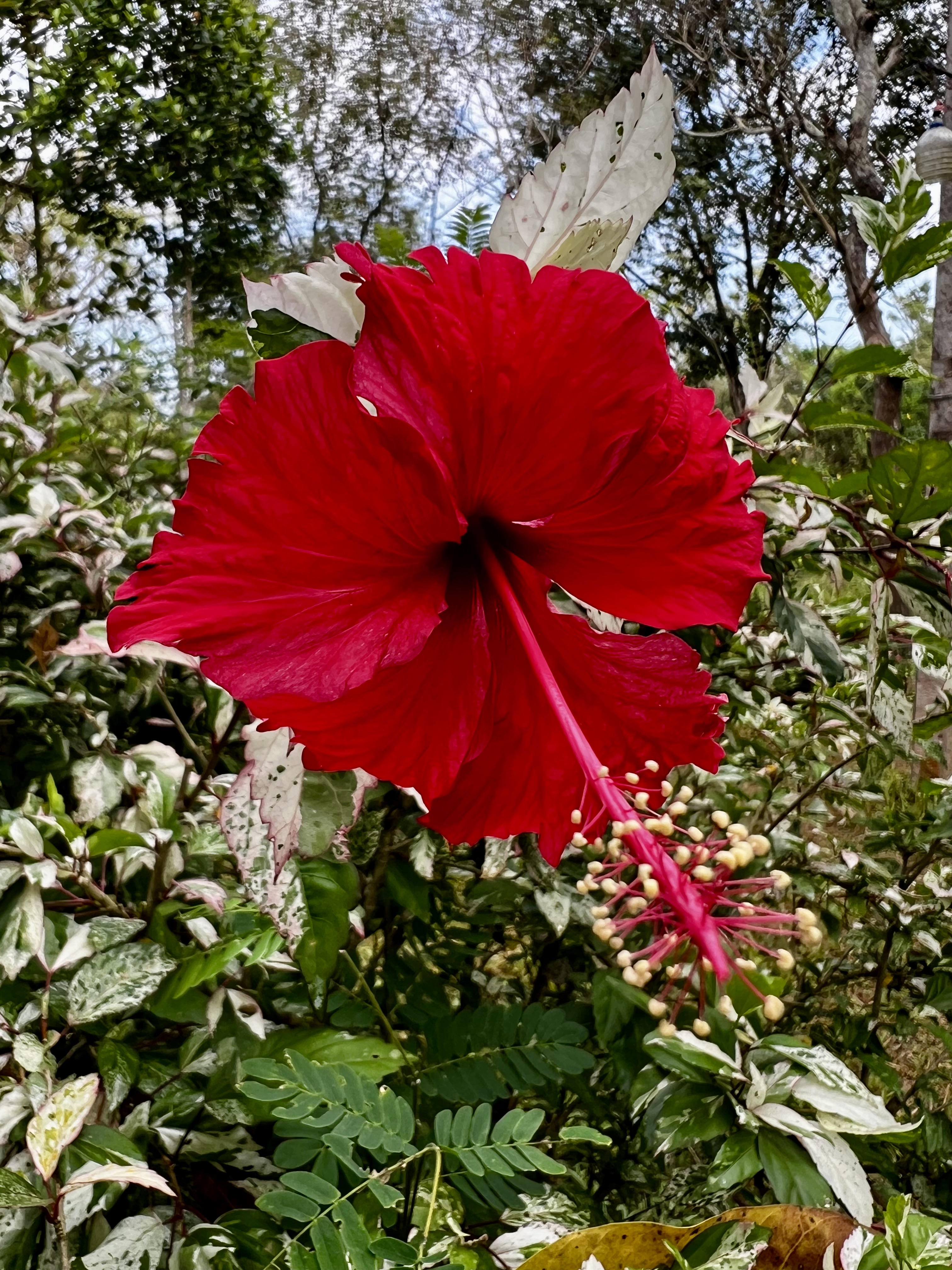
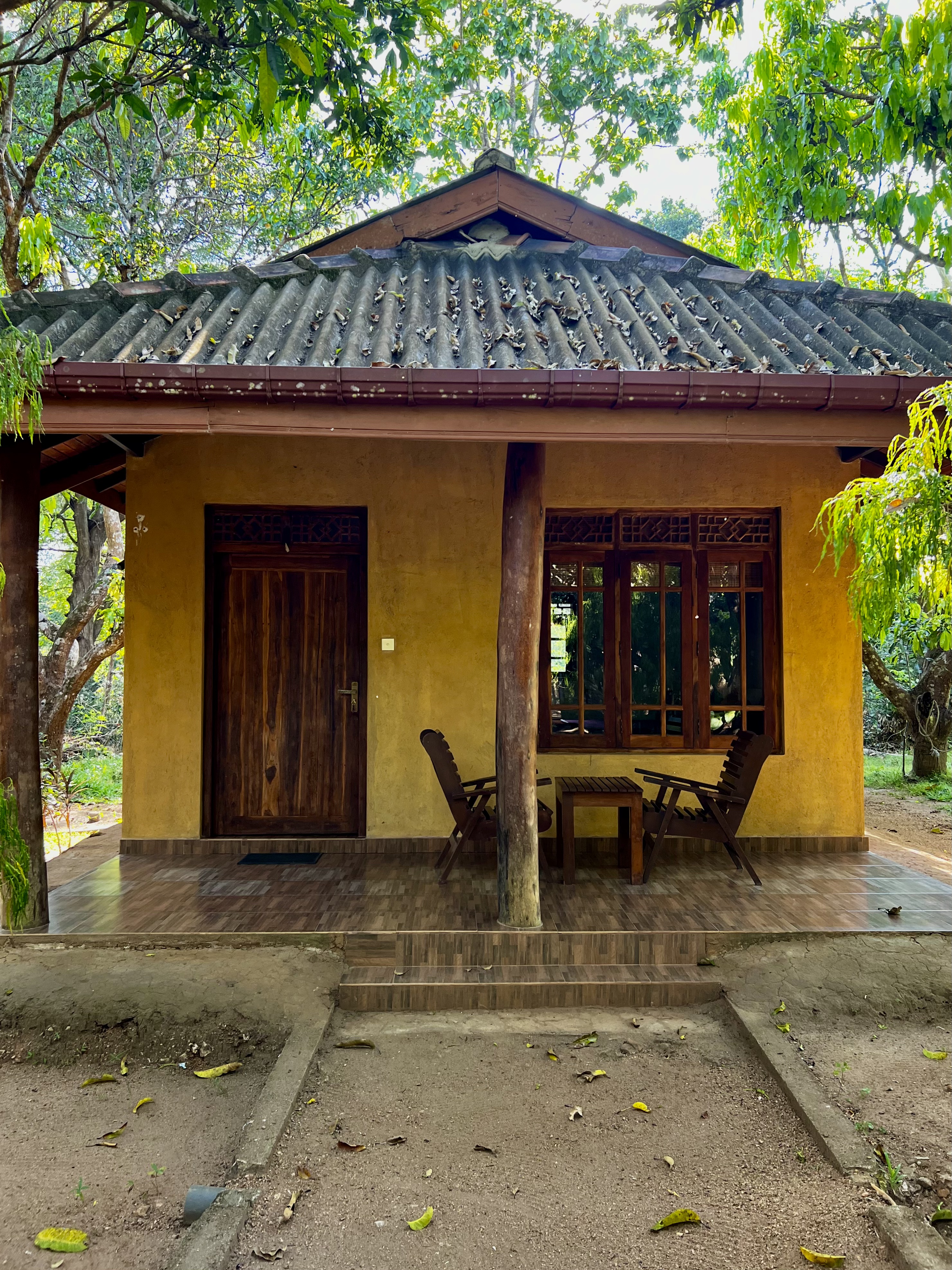
The extended family live on the compound and remain vigilant on behalf of their guests, even throughout the night. It’s in the hours after midnight when the elephants tend to wander in. And one night while we were there, one did! We were woken, confused, by the incredibly loud noise of what sounded like a gunshot and then a couple more the same. We now know they were fire crackers, right outside our room. A large bull elephant had entered the compound and was hanging out outside our room. The family were worried as they can do innocent damage to walls and pillars or knock down nearby trees so they came to scare him away. In our half-asleep state, we briefly tried to look out of the back window and could see nothing, assuming it was something further into the forest beyond. The fuss died down and we went back to sleep. I will always regret not thinking to look out of the front window where I would have seen our nocturnal visitor right up close!
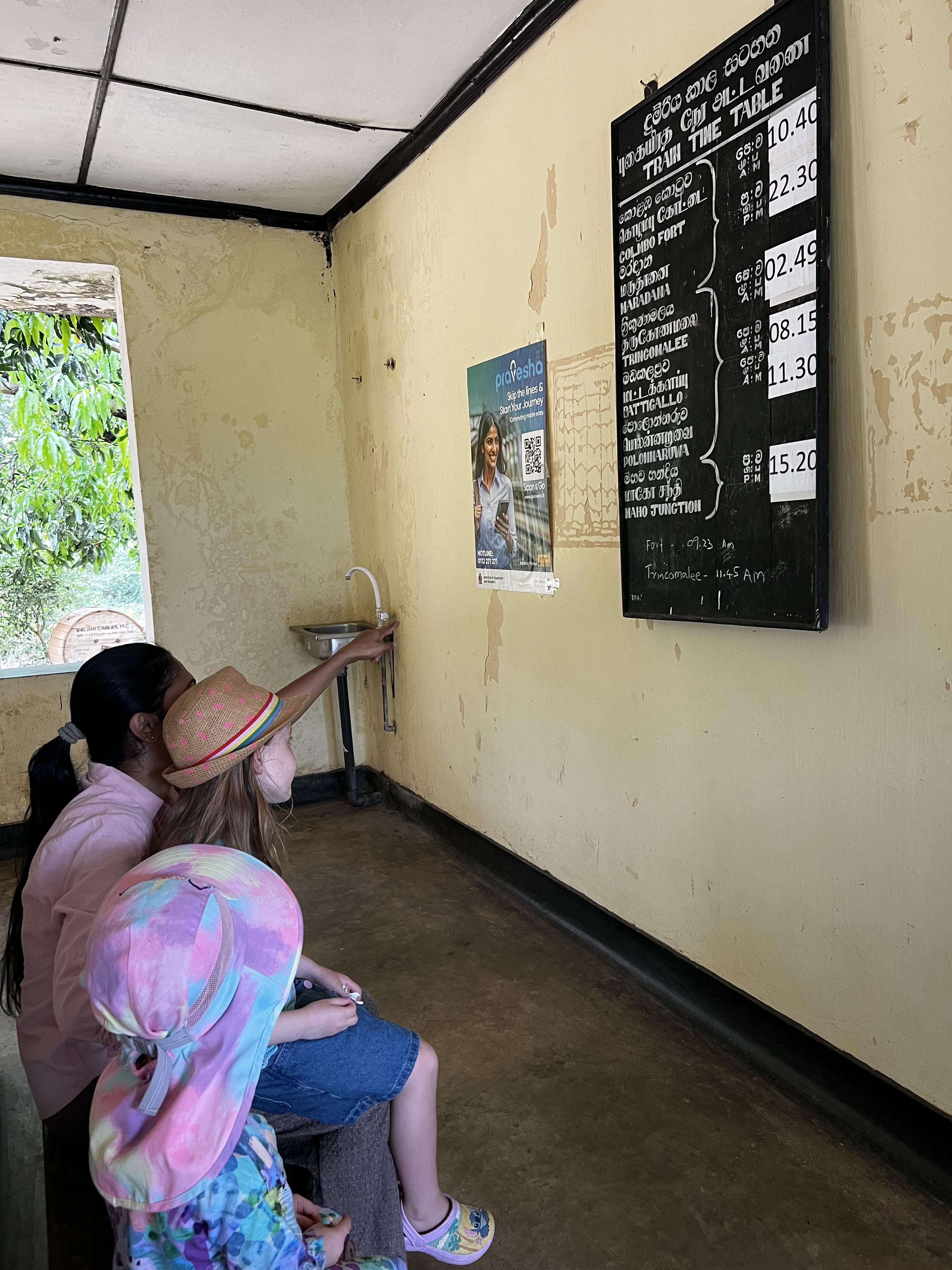
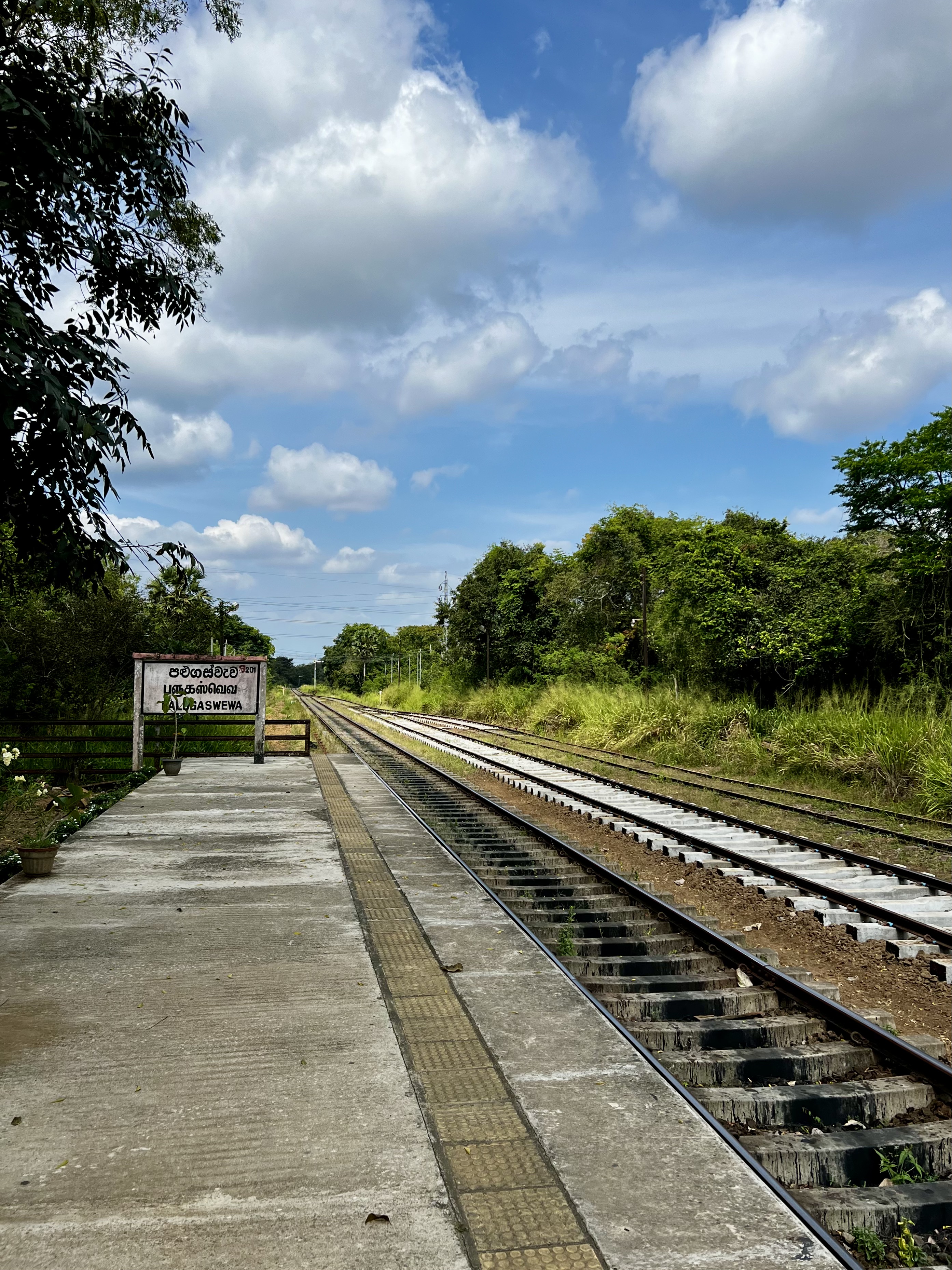
Bissa Villa is also next to the train tracks which, Kaushi says, young foolish elephants often wander onto. Their mothers follow them and both are killed. One morning, we took a little walk with her to the tracks and the tiny, deserted, mustard yellow station of Palugaswewa. The station master unlocked the signal box so we could go inside and gave us an enthusiastic demonstration of the levers!
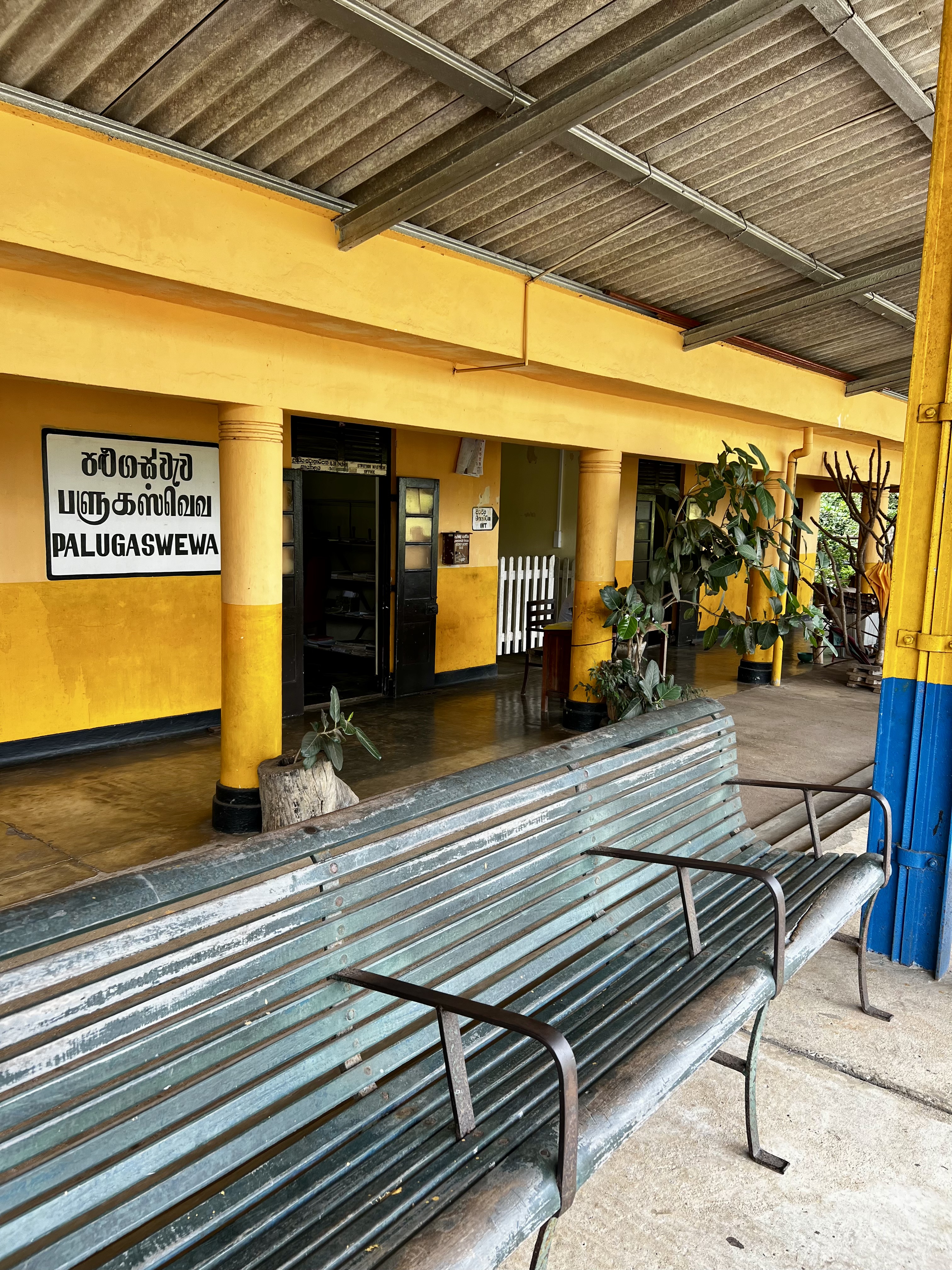
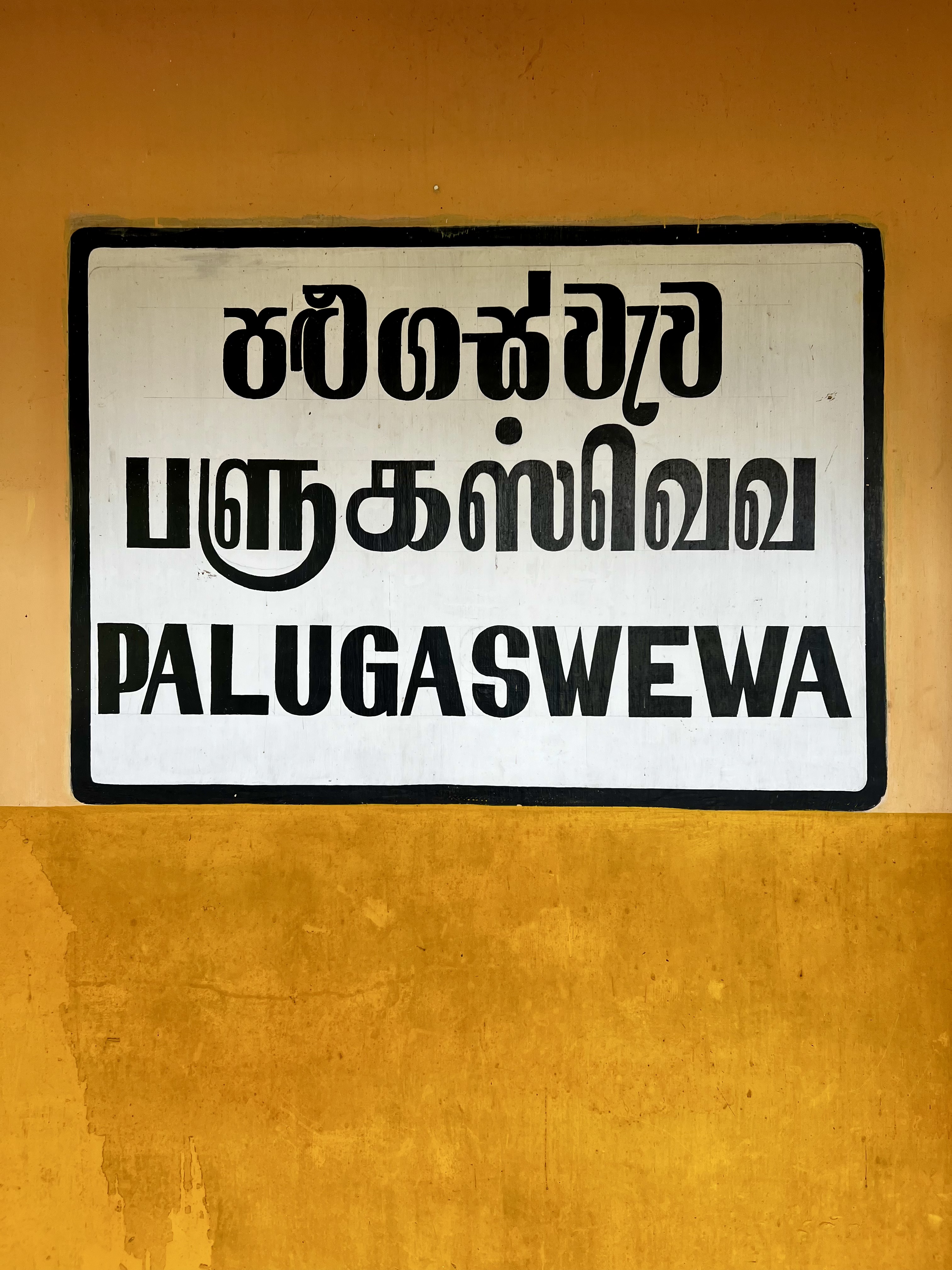
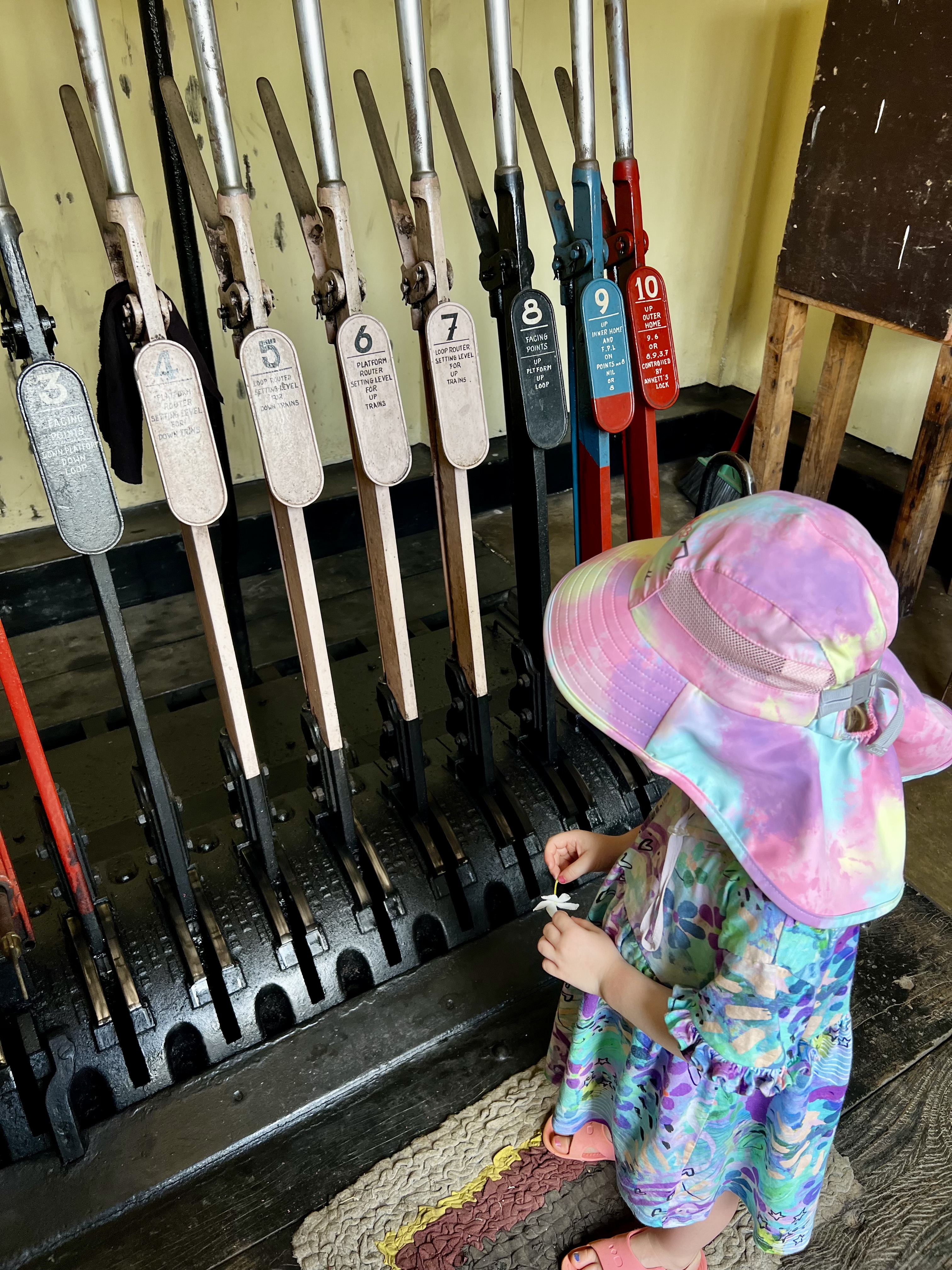
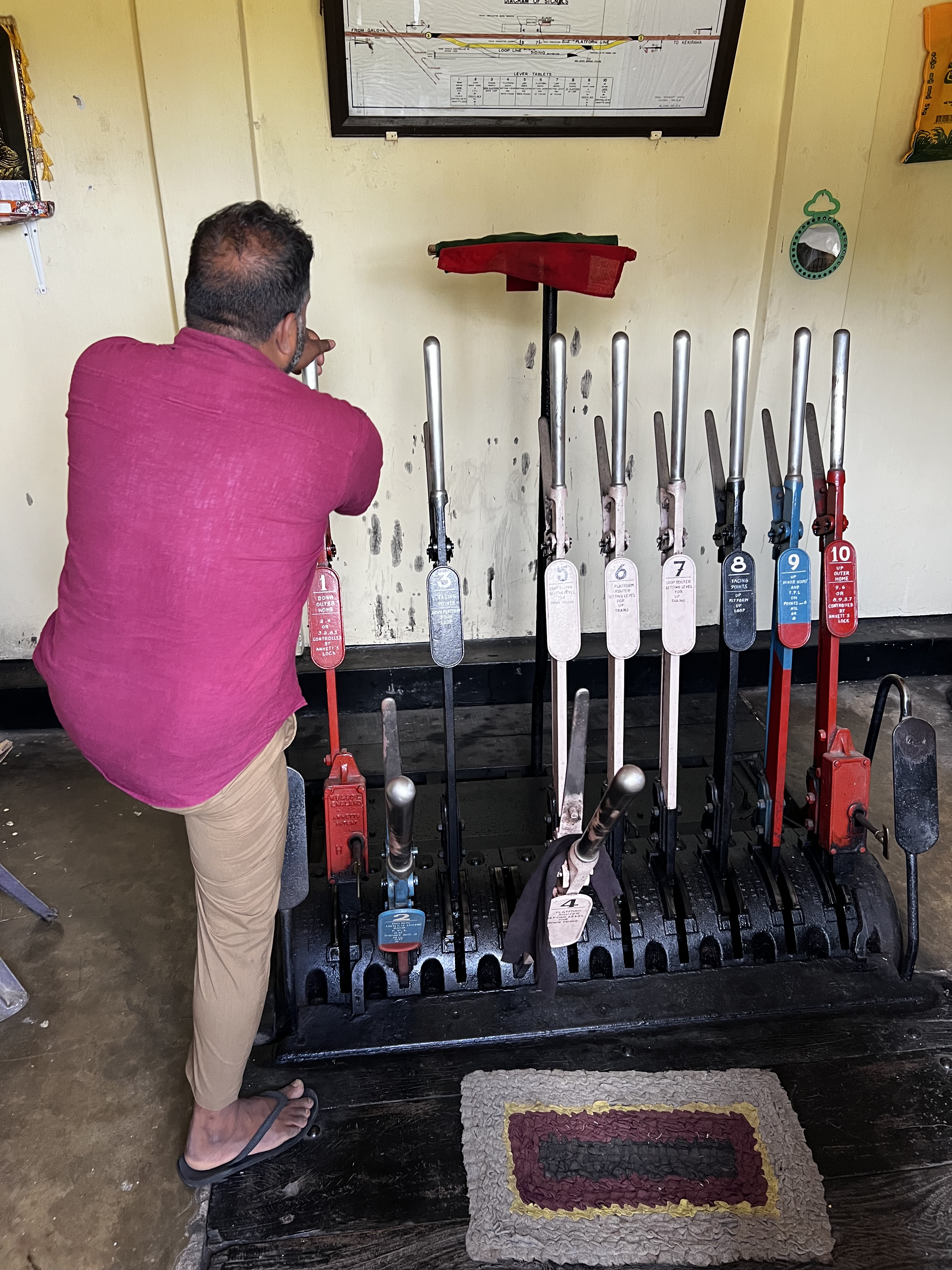
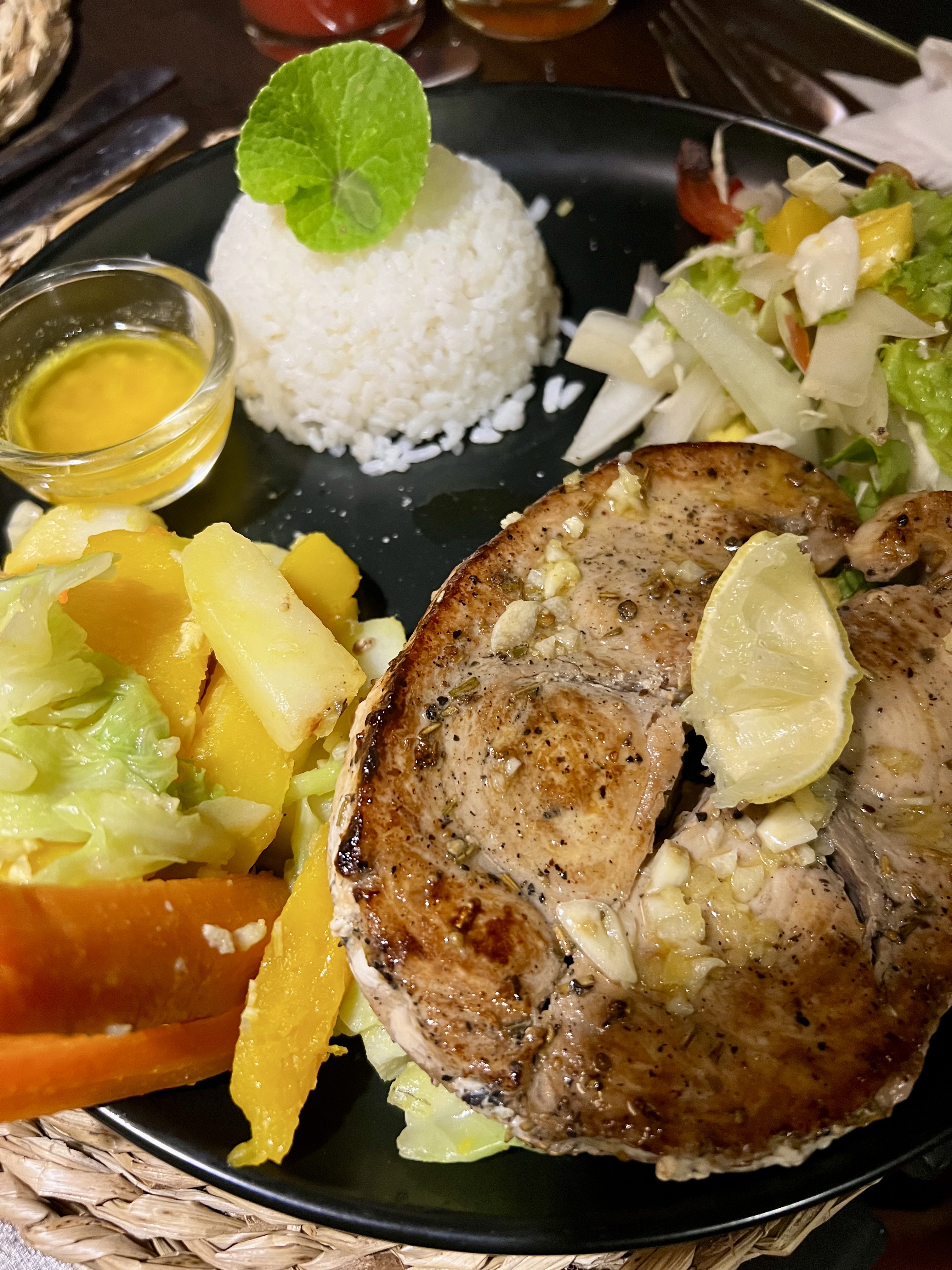
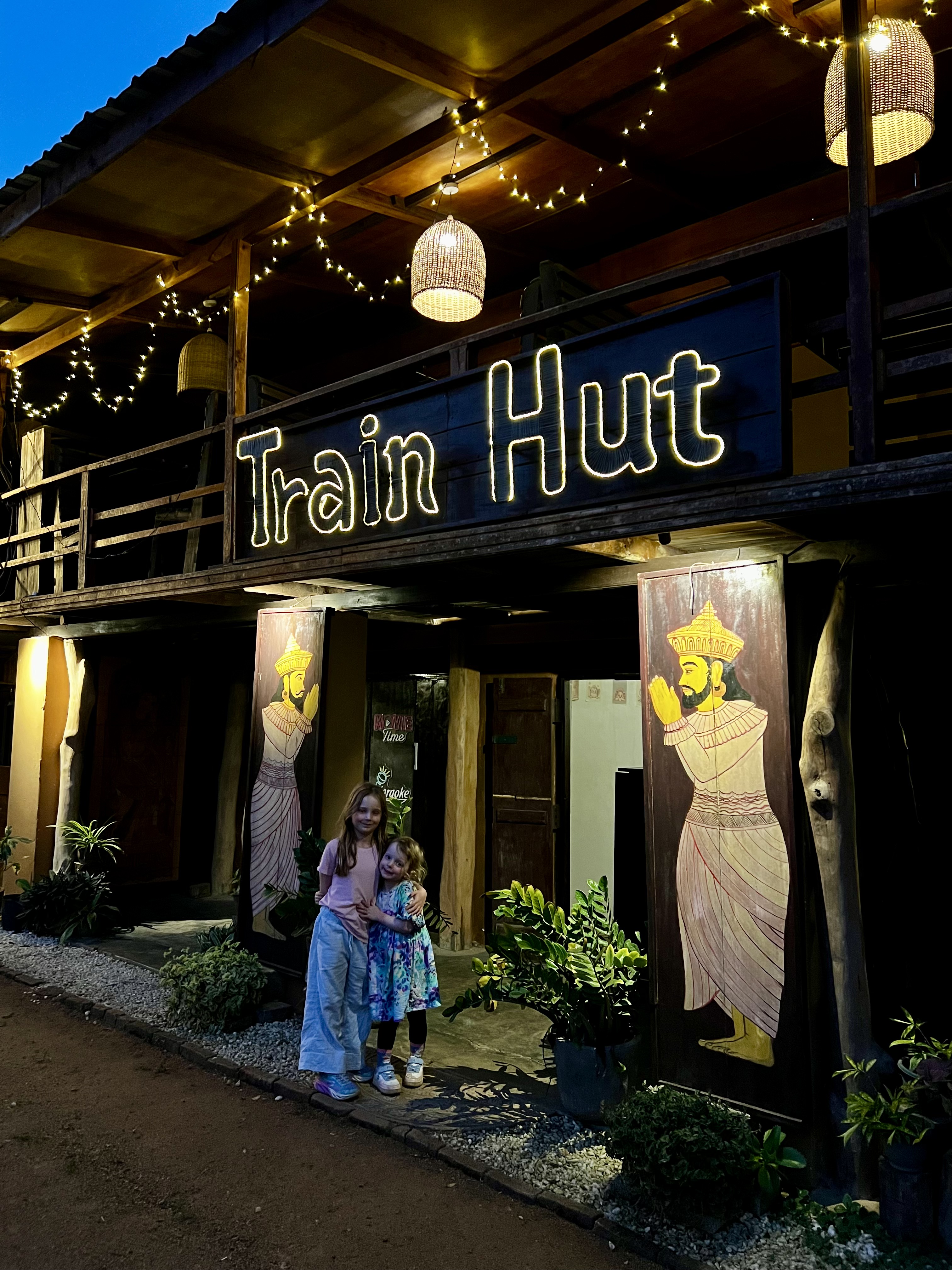
On site, there is a brilliant restaurant too, called the Train Hut. We ate breakfast there each day and two of our evening meals too.
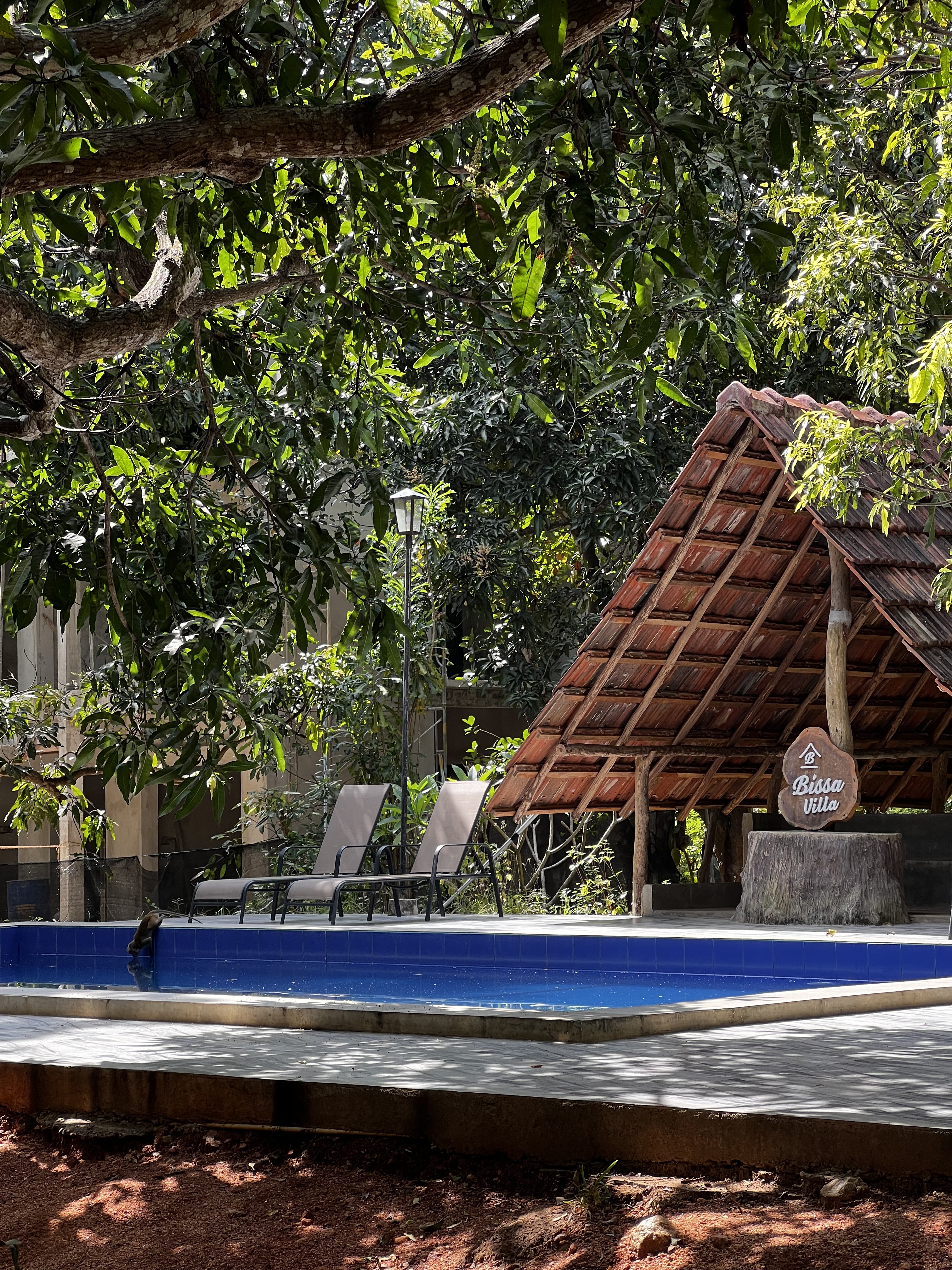
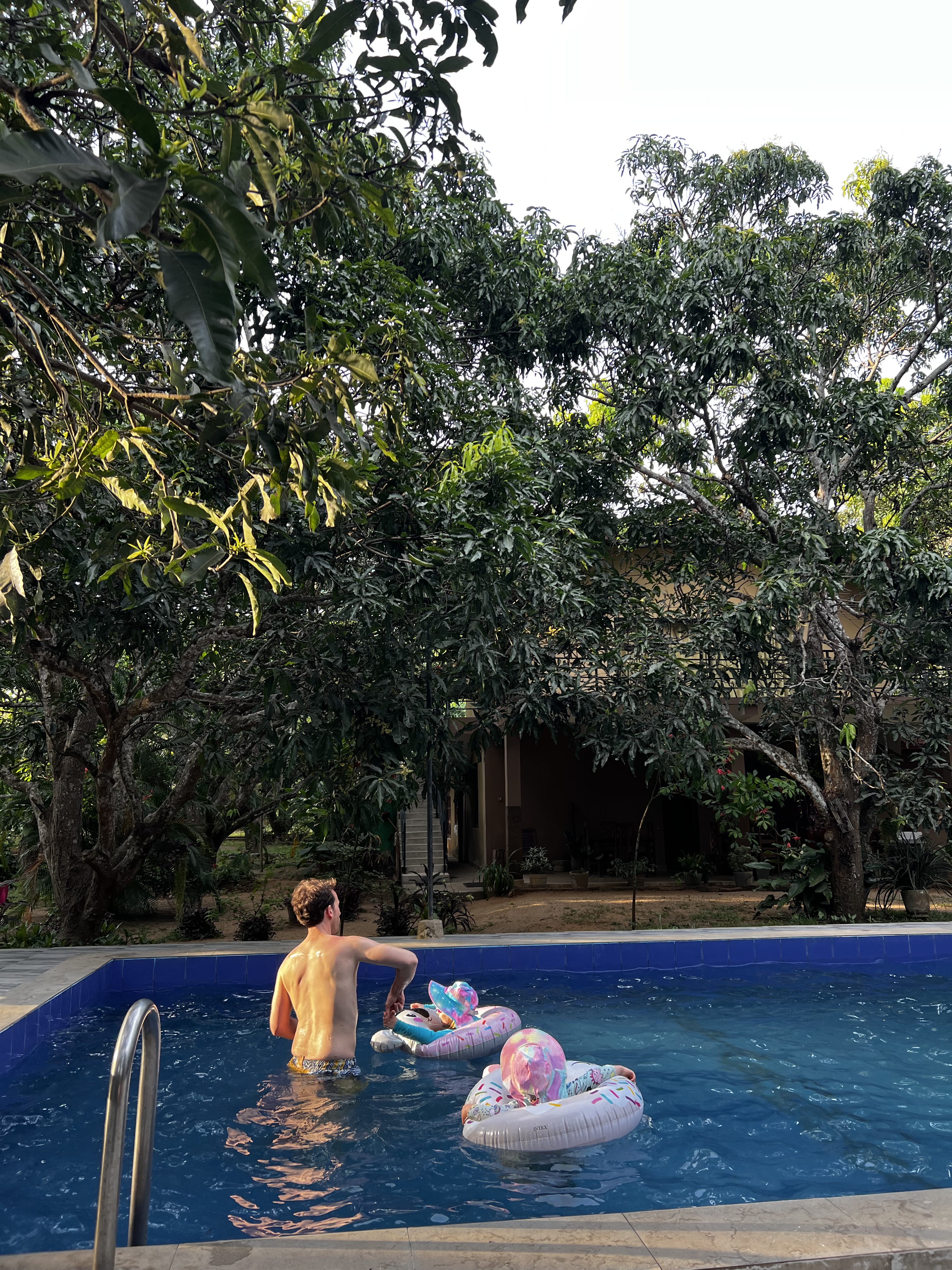
There was also a lovely pool which comes with the warning not to leave anything unattended if you don’t want the monkeys to steal it! As my first post mentioned, Sri Lanka was going through a heatwave whilst we were there so this pool provided exactly the relief we needed after our hot, sweaty mornings spent exploring!
Look out for a post coming soon all about an amazing child-friendly cooking class we did with Kaushi and her team too!
Day 5 – the ruins of Ritigala Forest Monastery:
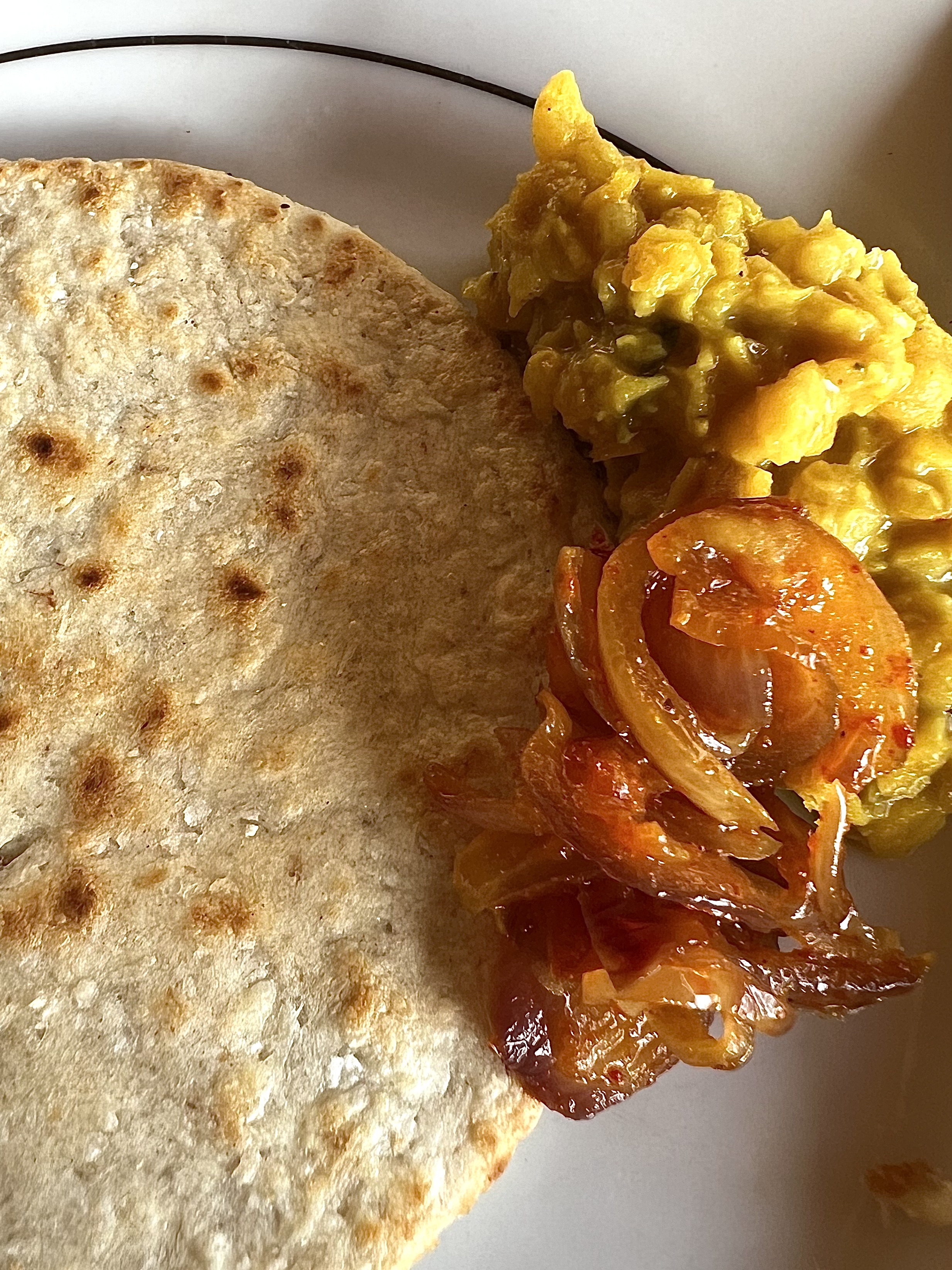
The morning started with a delicious Sri Lankan breakfast of chapatis, dhal and sweet, spicy onion chutney alongside fresh watermelon juice, which we ate on the balcony of the Train Hut. Watching the trains speed past and the monkeys and giant squirrels scamper along the electricity lines and swing between the trees certainly makes for a memorable start to the day!
Habarana is the perfect base to explore much of the Cultural Triangle. Our driver, Kiyas, picked us up and took us the short 15 minutes to Ritigala. (For more on hiring a driver, check out part one.)
UNESCO World Heritage site, Ritigala, is a richly biodiverse mountain range of seven peaks that is steeped in history. One such story is that, back in the 4th century BC, Prince Pandukabhaya was hidden here as a child, to escape from his uncles. When he grew up, he and the native people fought and killed the uncles and making him King of Anuradhapura.
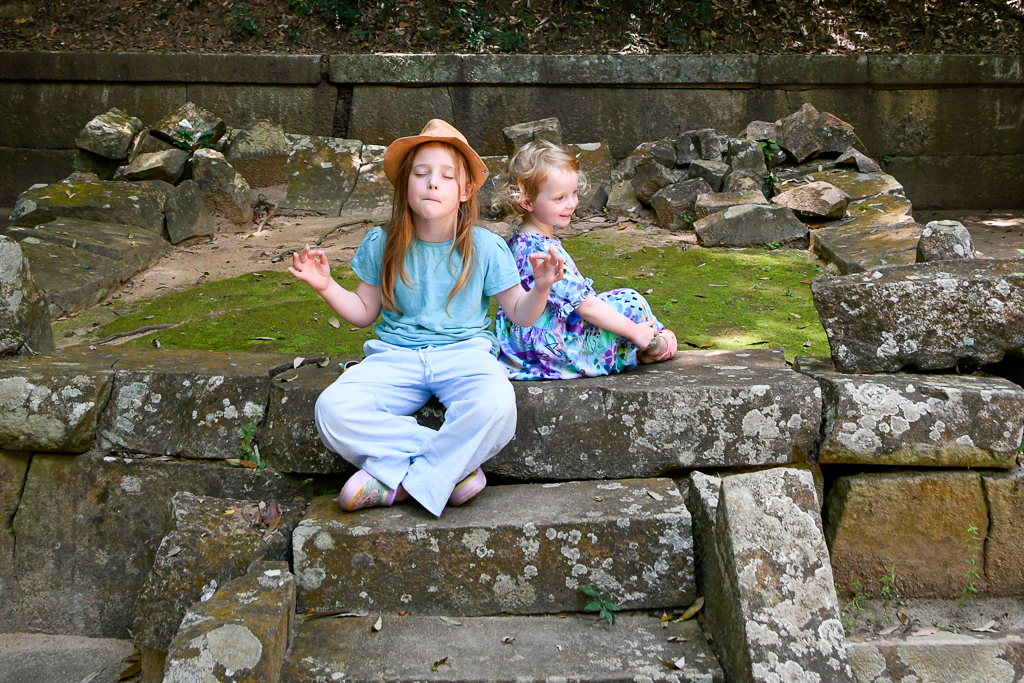
Hundreds of cave monasteries and inscriptions show that Ritigala has been a forest hermitage for Buddhist monks for more than two thousand years. It later became the headquarters of a particularly austere Buddhist monk sect – the rag-robed monks or pamsukulika bhikkus; they wore cleaned and repaired shrouds from cemeteries and remained completely separate from the temples in the village. Unusually, probably because of the ascetic lifestyles of Ritigala’s monks who focused on silent meditation, there are no decorative stupas or statues on the site.
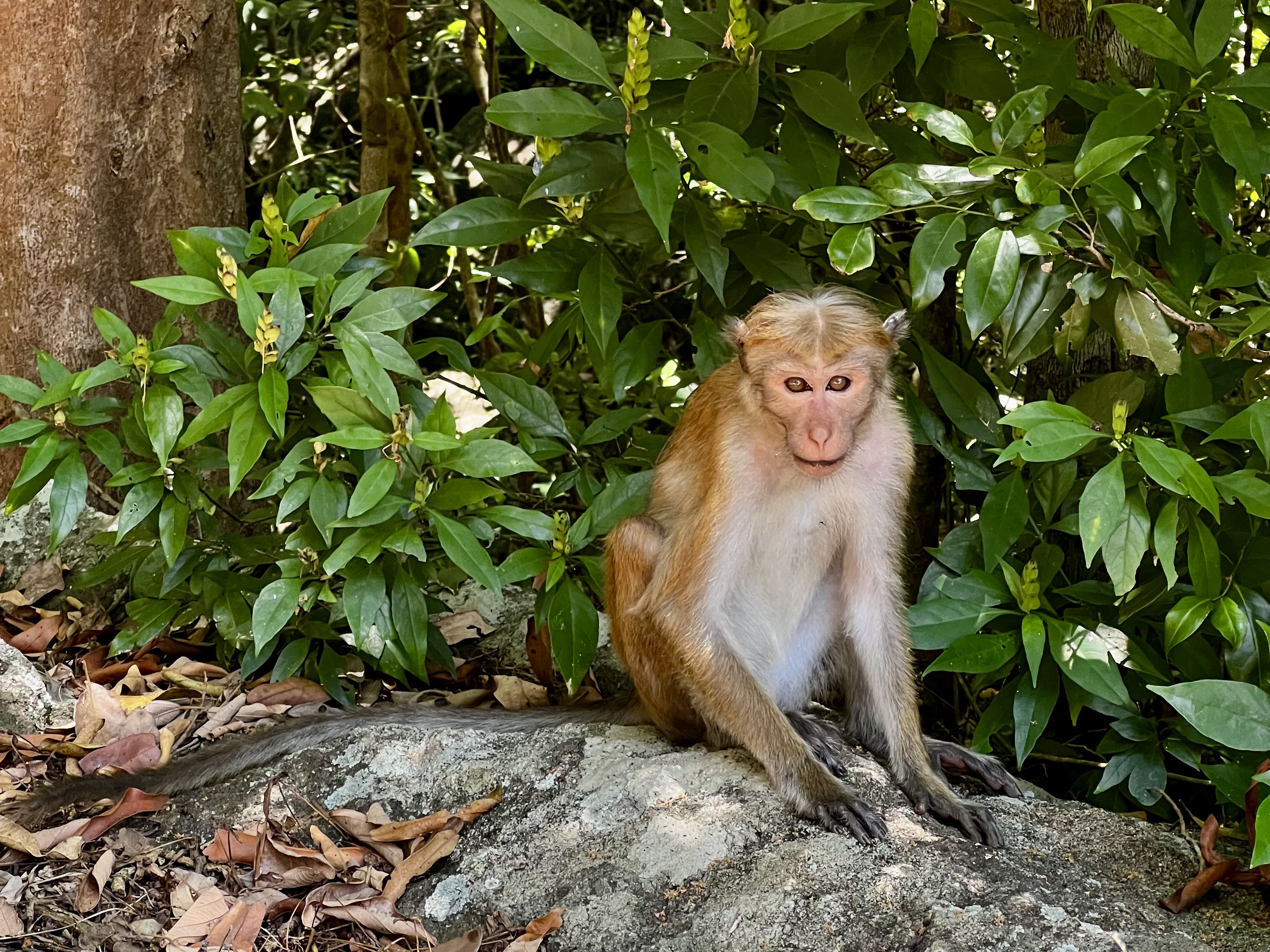
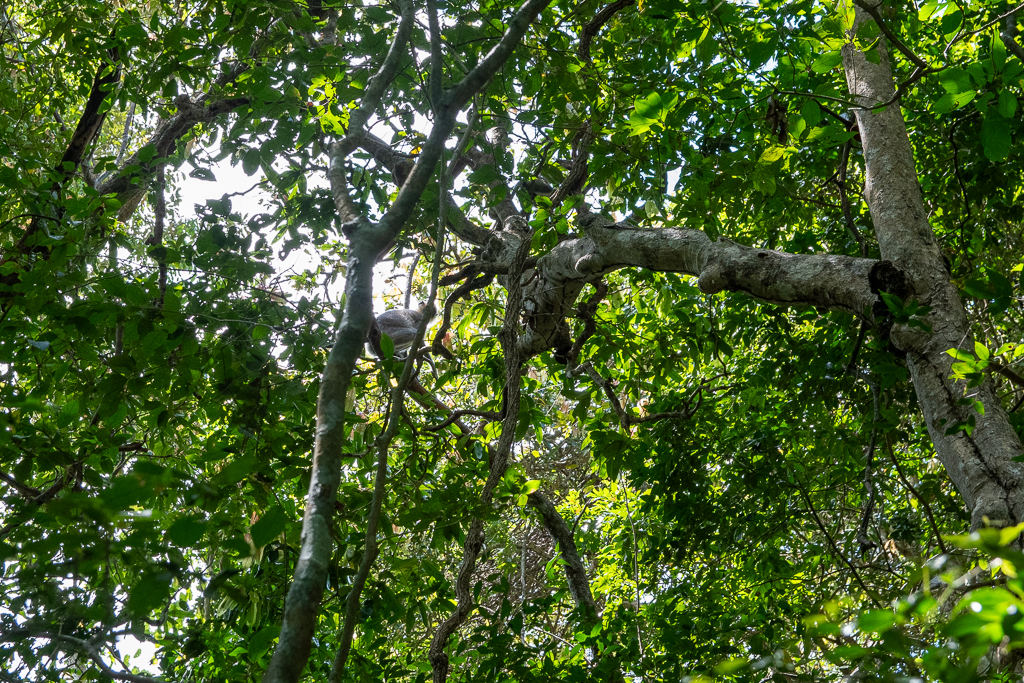
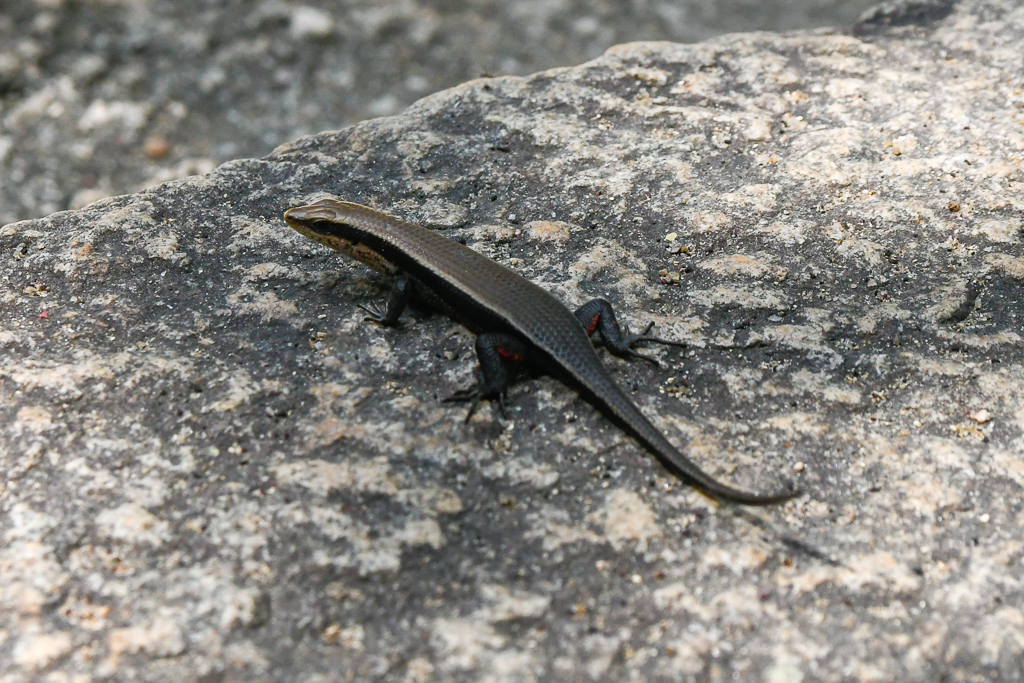
While monks in Ritigala initially resided in natural caves, in the ninth century, King Sena I built a large monastery complex, the ruins of which are what we visited. They’re flanked by the neighbouring mountains and nestled deep in dense forest that is full of birds, lizards, butterflies and langur and toque monkeys.
The parts open to visitors begin with what was once a stepped pool, low down the mountain, near the entrance of the complex. This would have been used for visitors to bathe in on arrival.
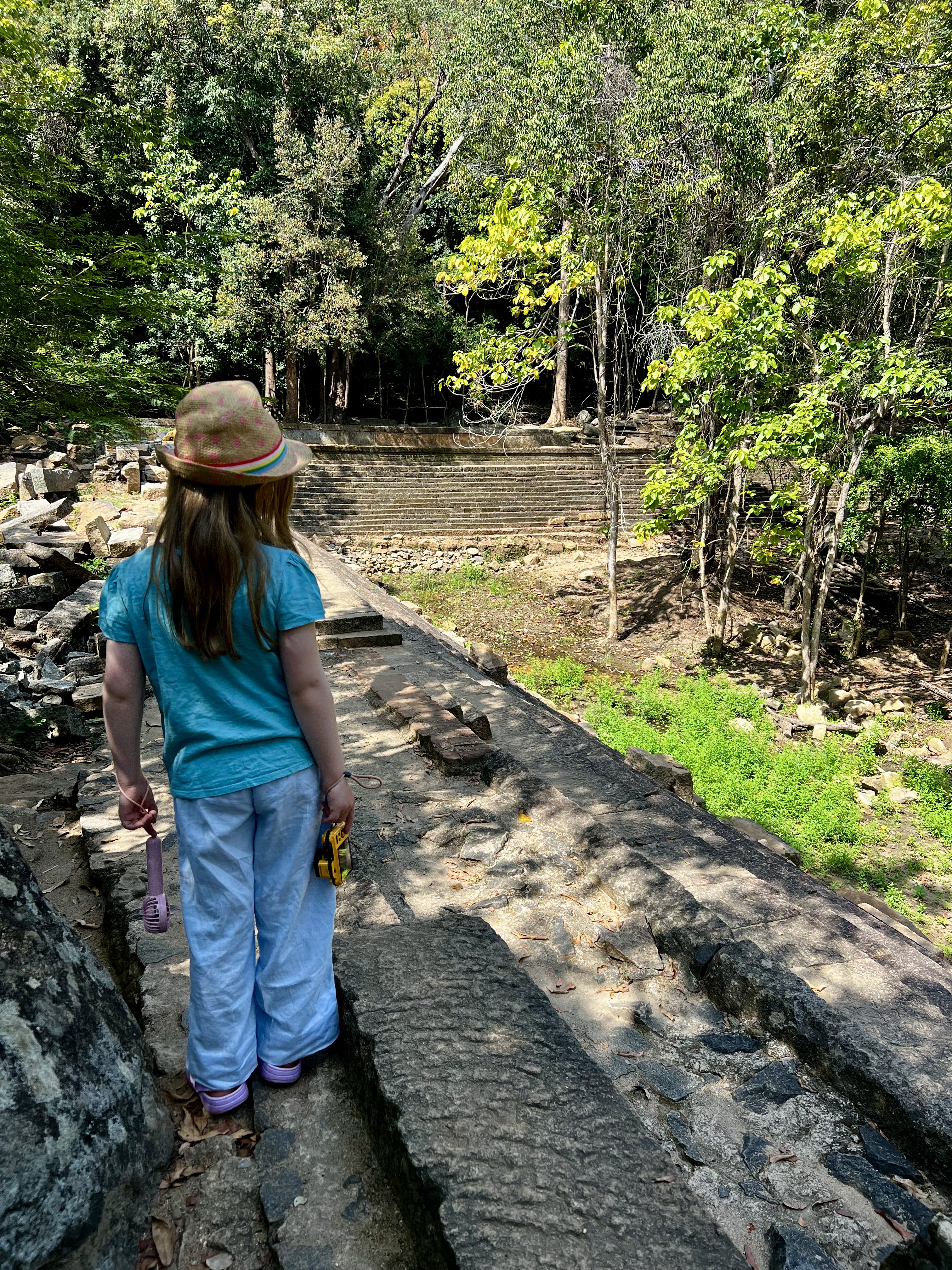
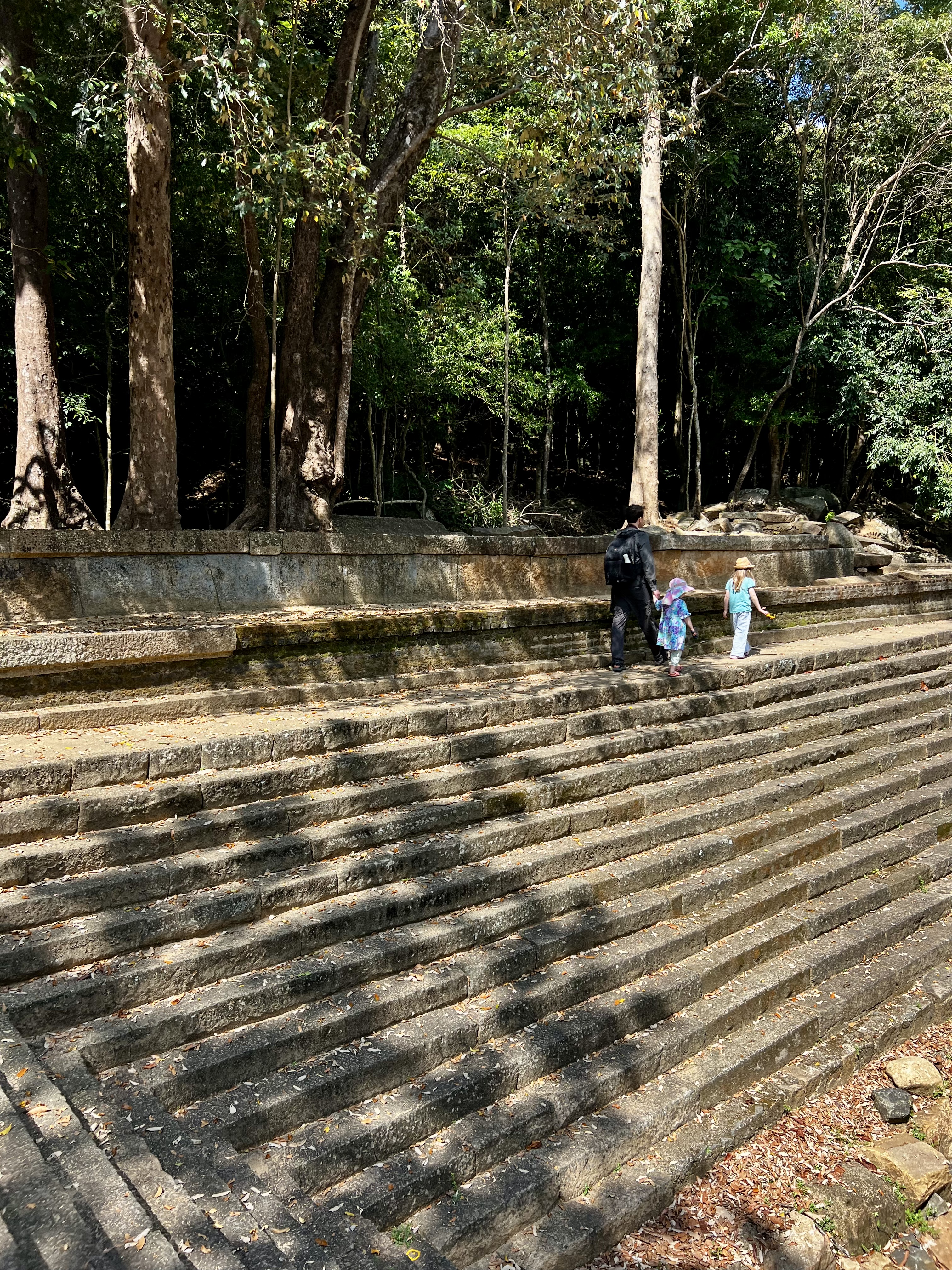
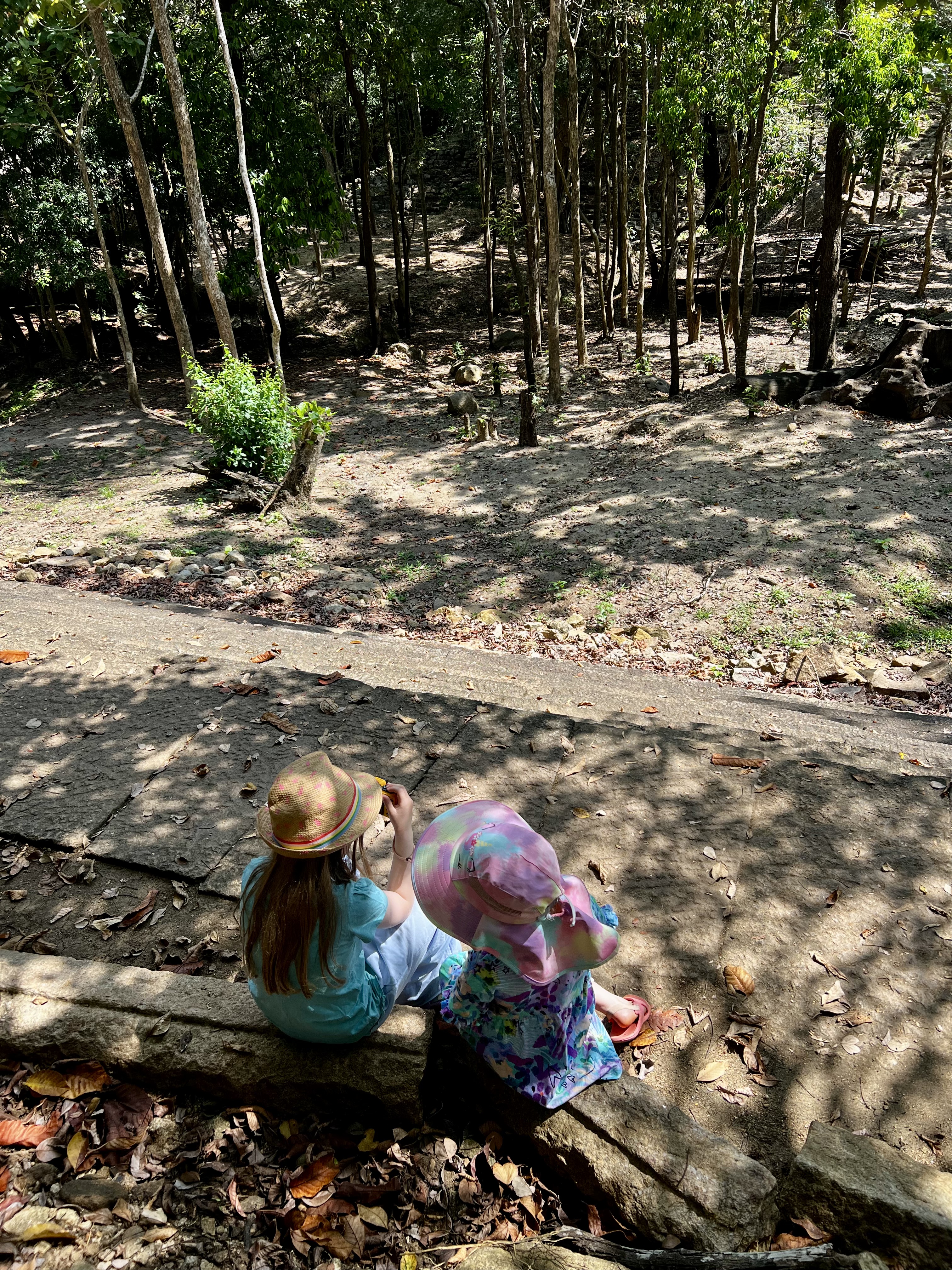
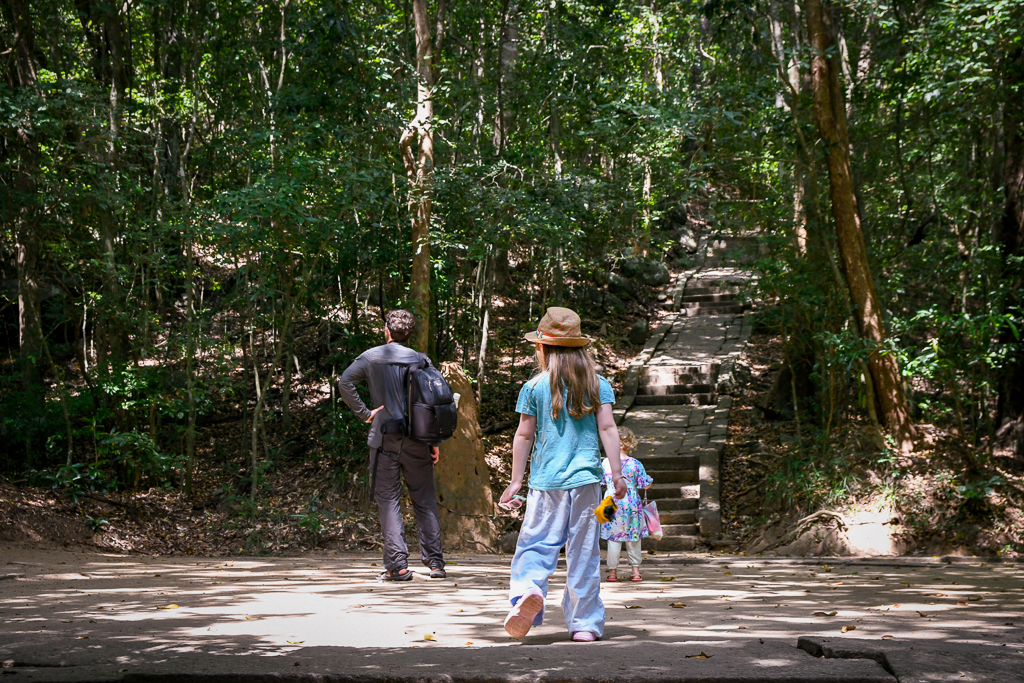
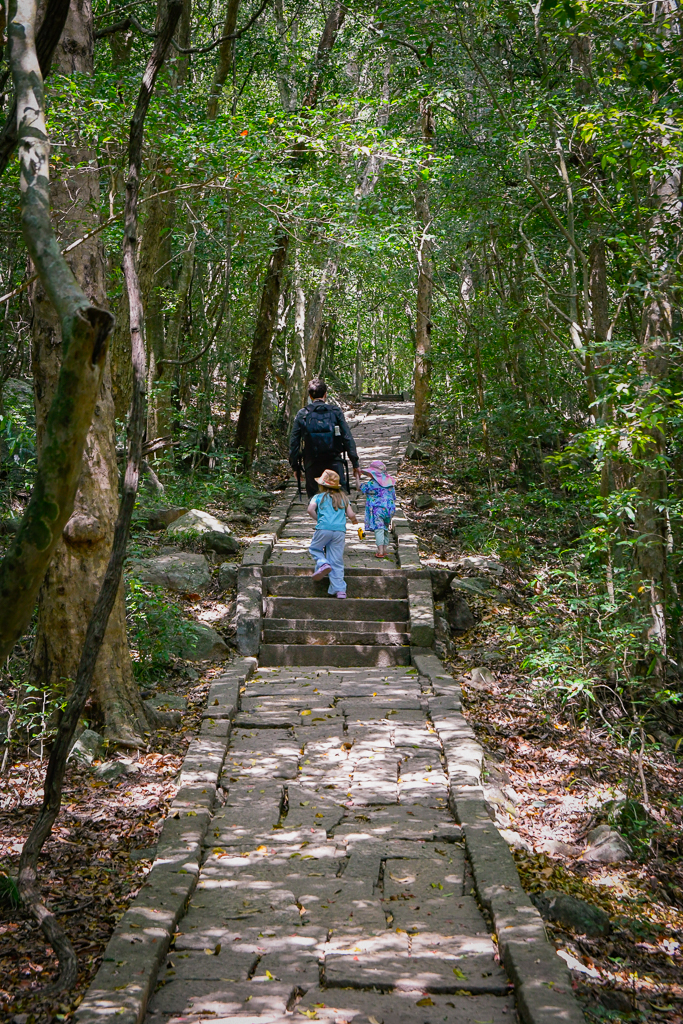
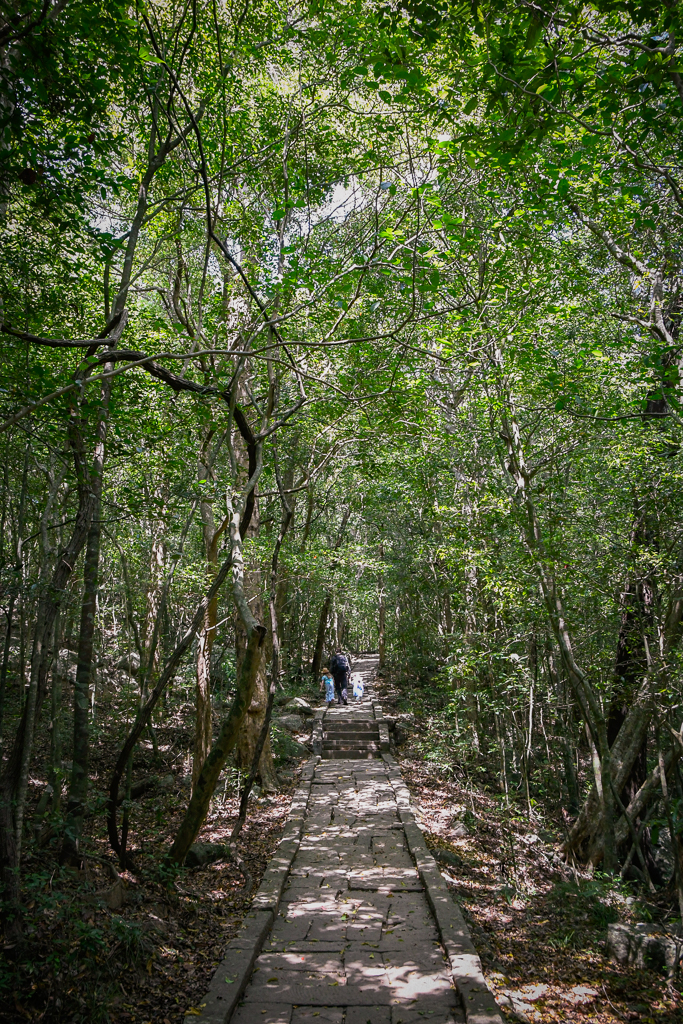
Despite the shade provided by the forest, it was a challenging walk in the heat and humidity: steep, stepped paths are punctuated by circular resting places along the way. These were much appreciated for frequent Haribo breaks, and I imagine they offered similar relief to the monks too.
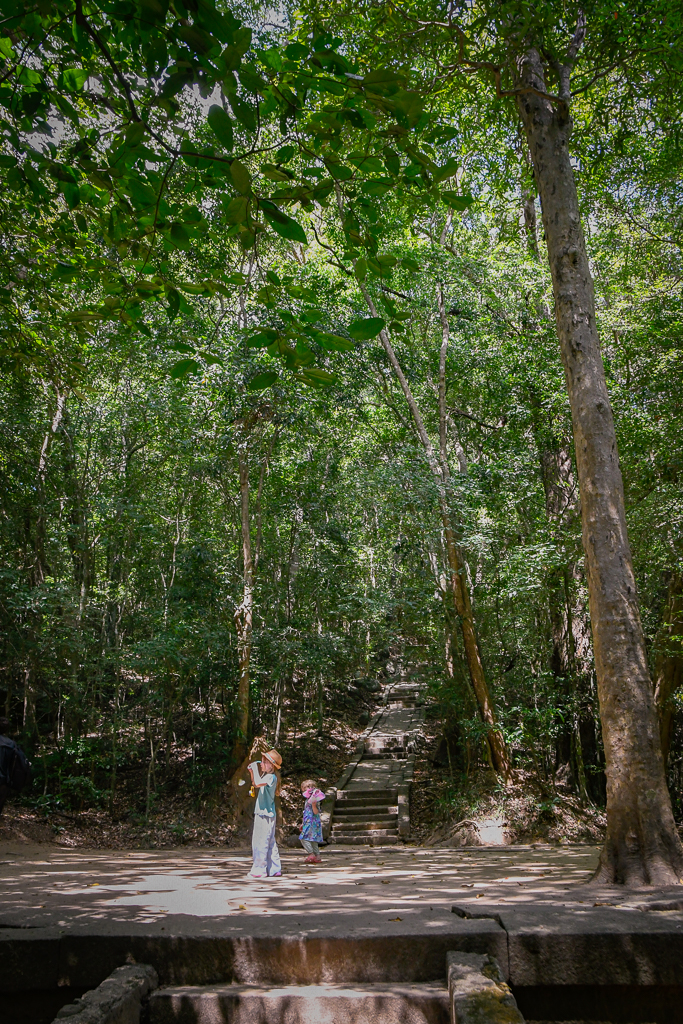
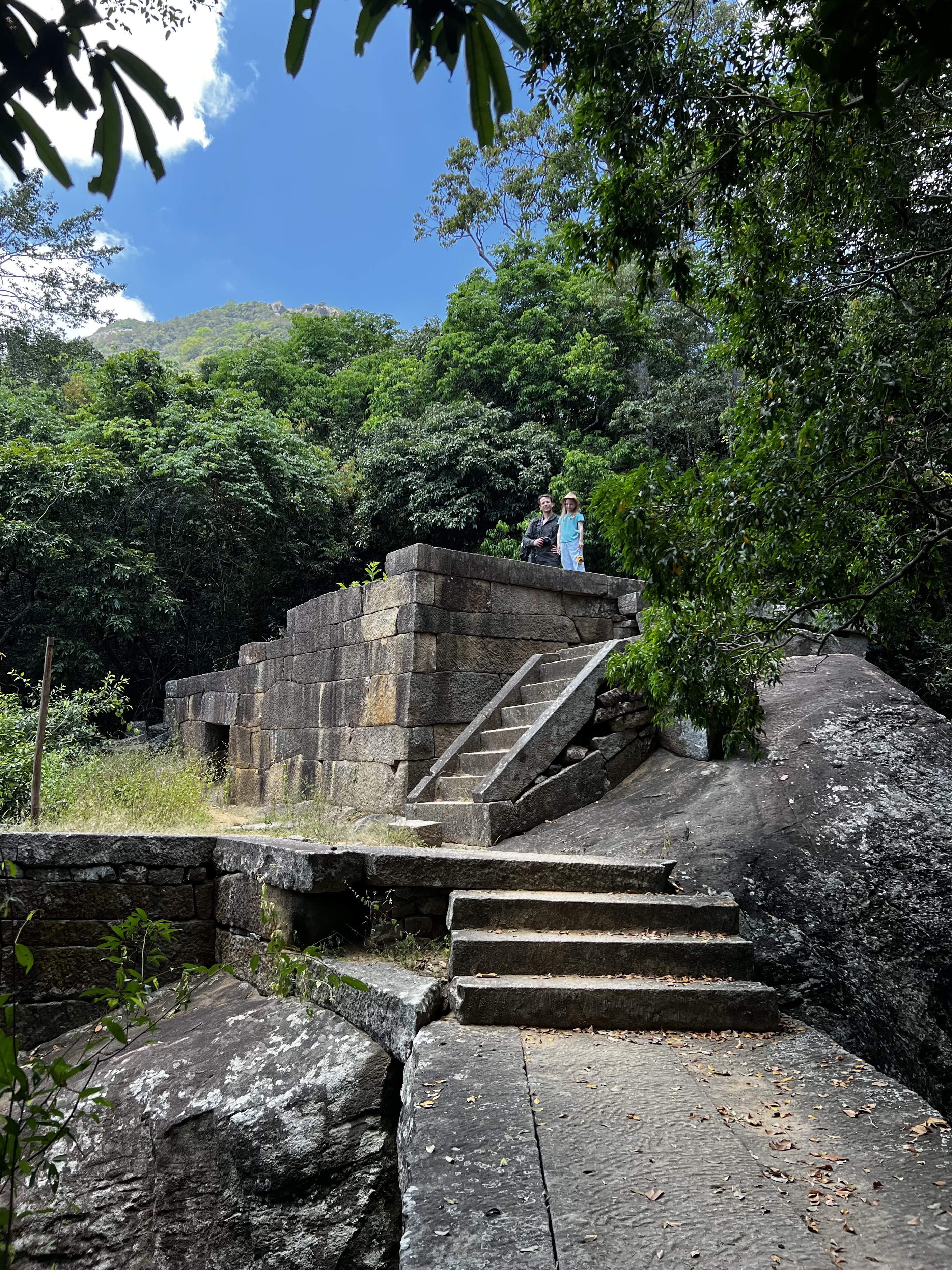
The complex has many distinctive double-platform structures, each pair running east to west and joined by a small stone bridge. Square-edged stone remnants are the bases of long-gone pillars which would have supported timber and thatch rooves over one of the platforms, used for the monks. The other, uncovered platform would have been for visitors and teaching. Impressively, each pair of platforms also has a moat for water around the edge which is thought to have been used as a primitive air con system.
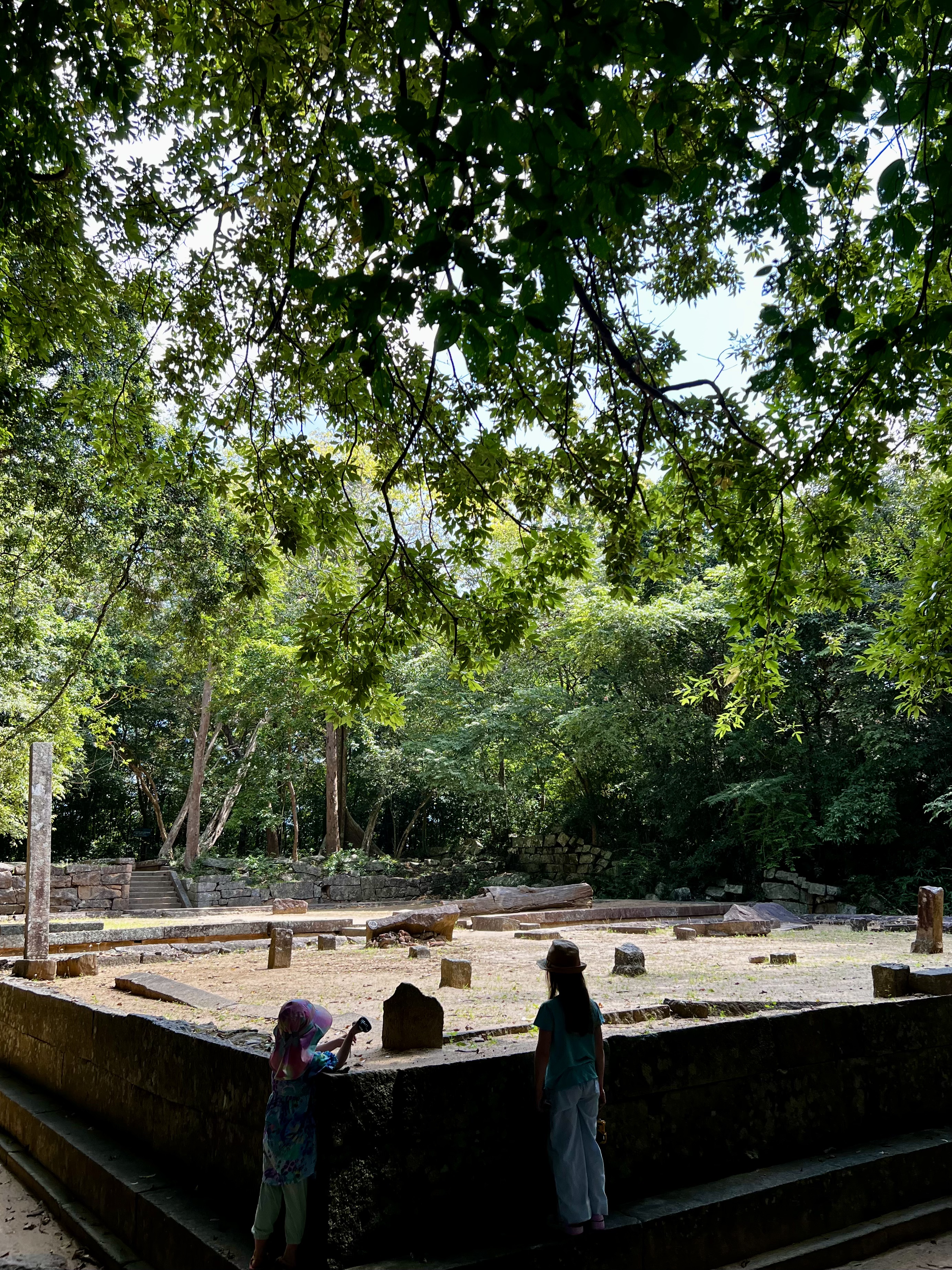
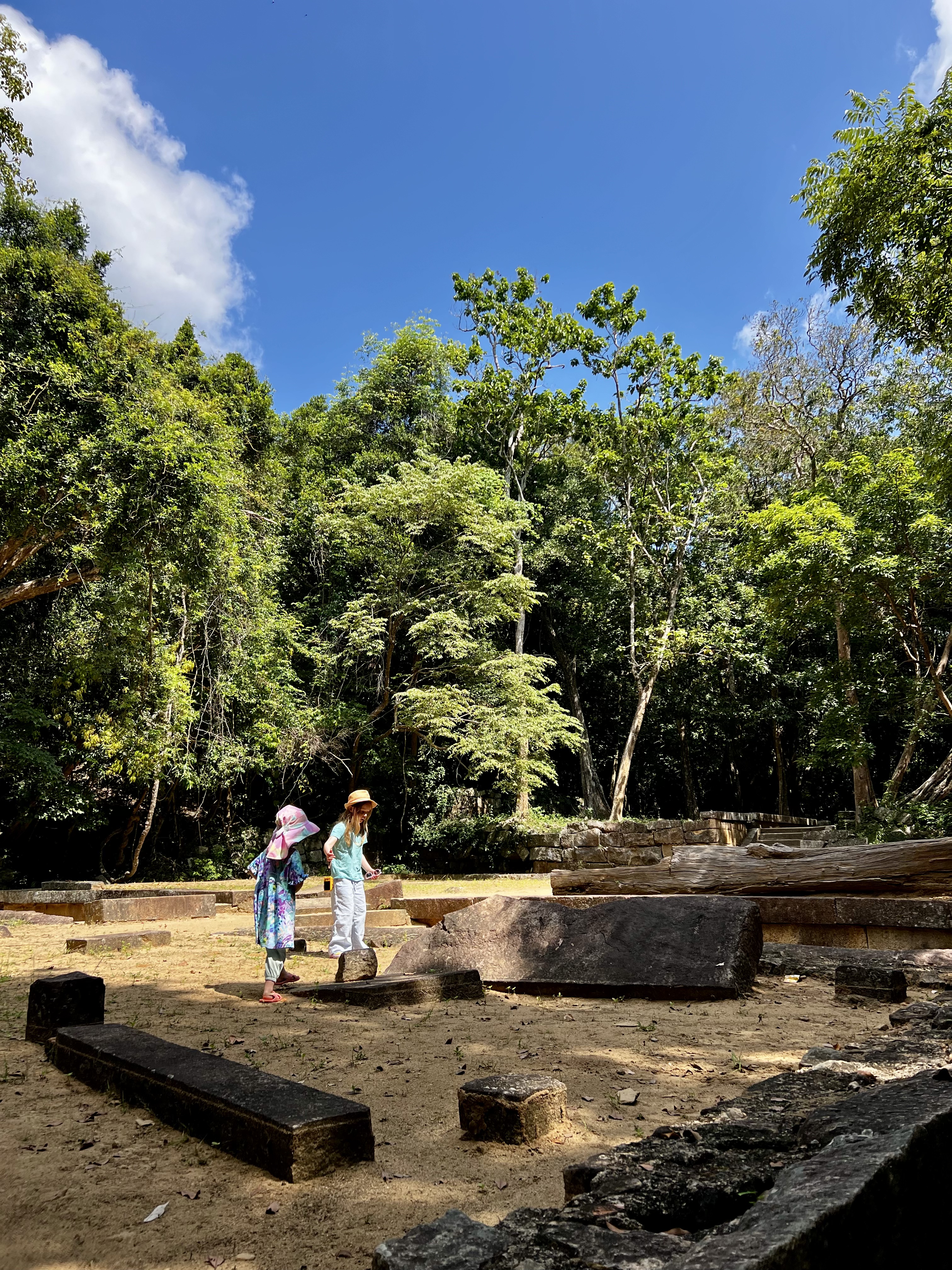
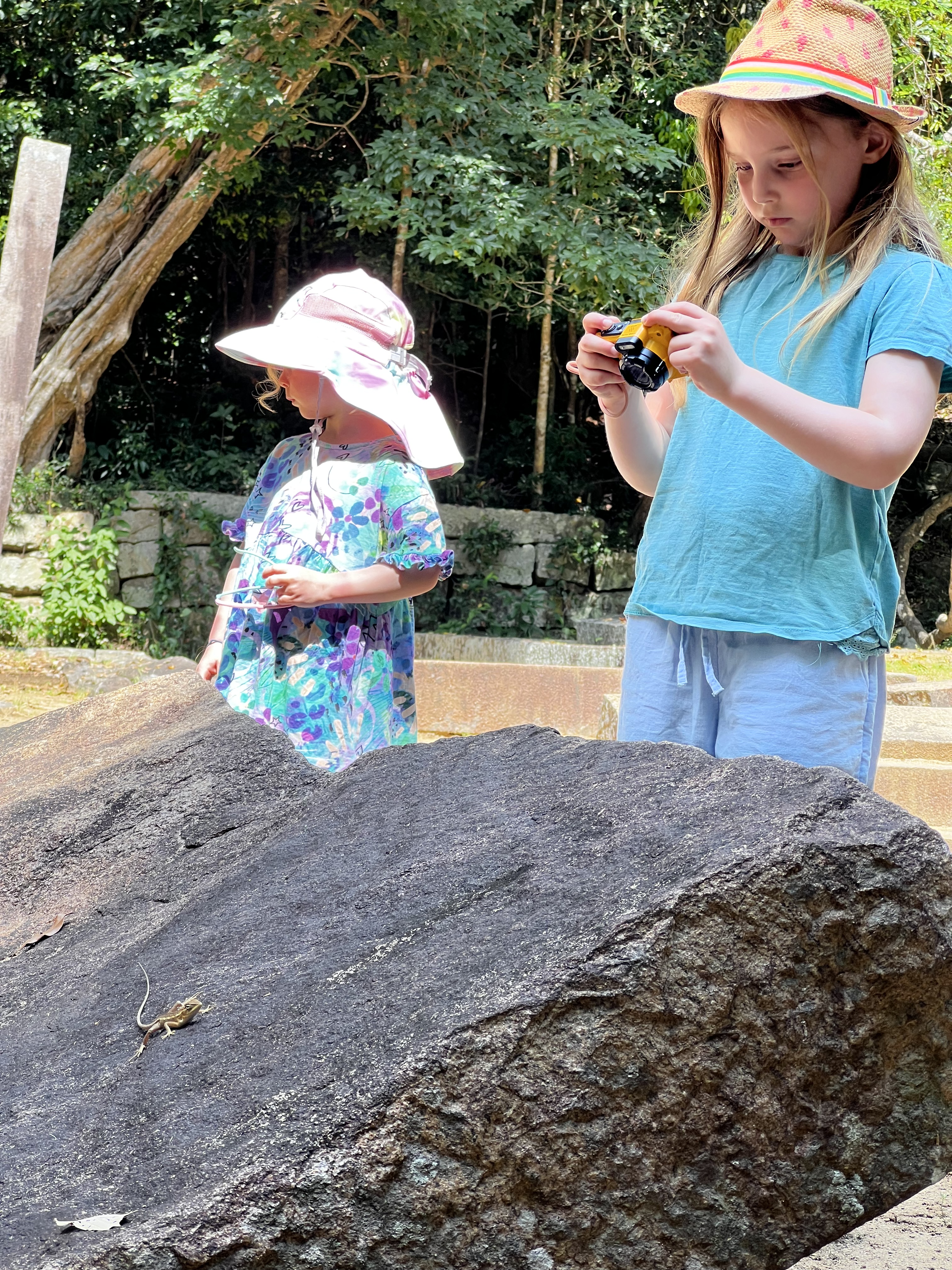
We also found the ruins of an ancient hospital where you can see griding stones used to make medicines from the local fauna, stone beds and troughs for immersive healing treatments.
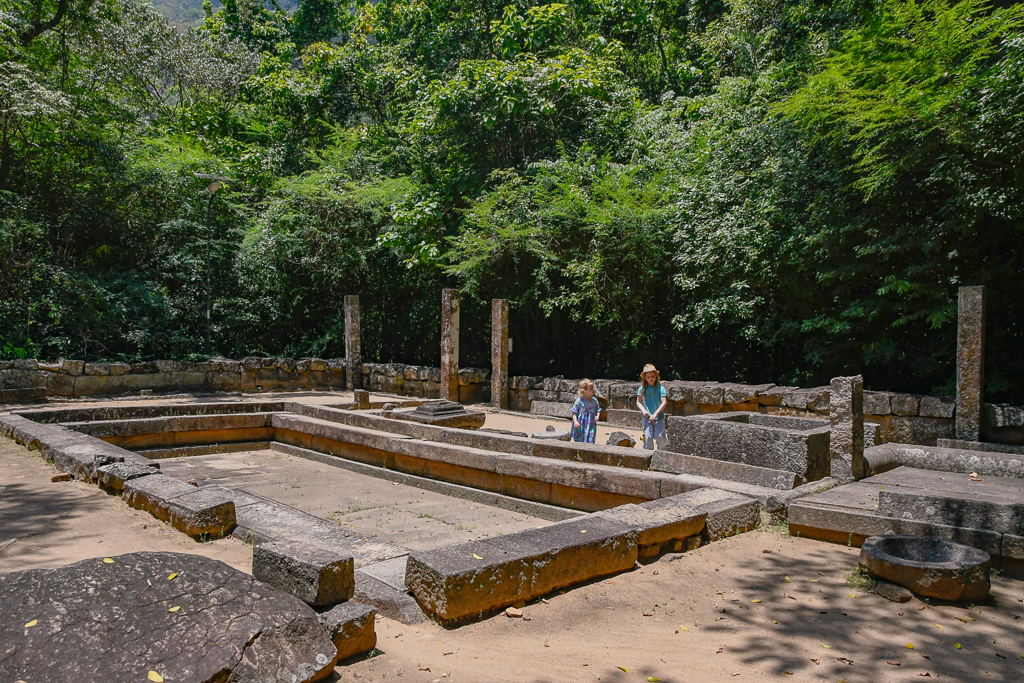
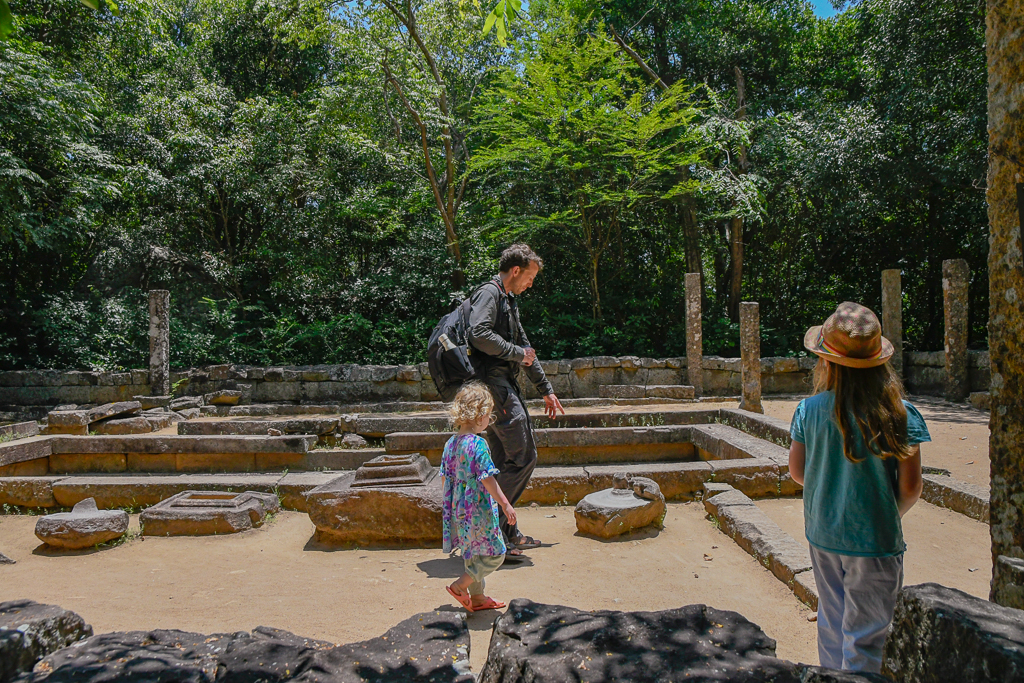
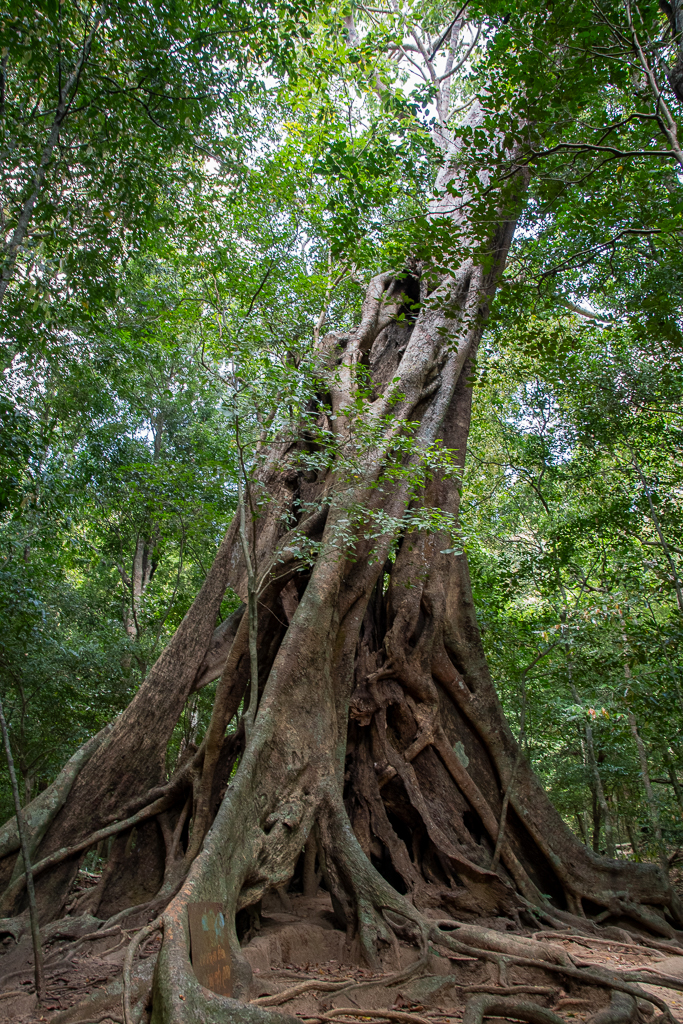
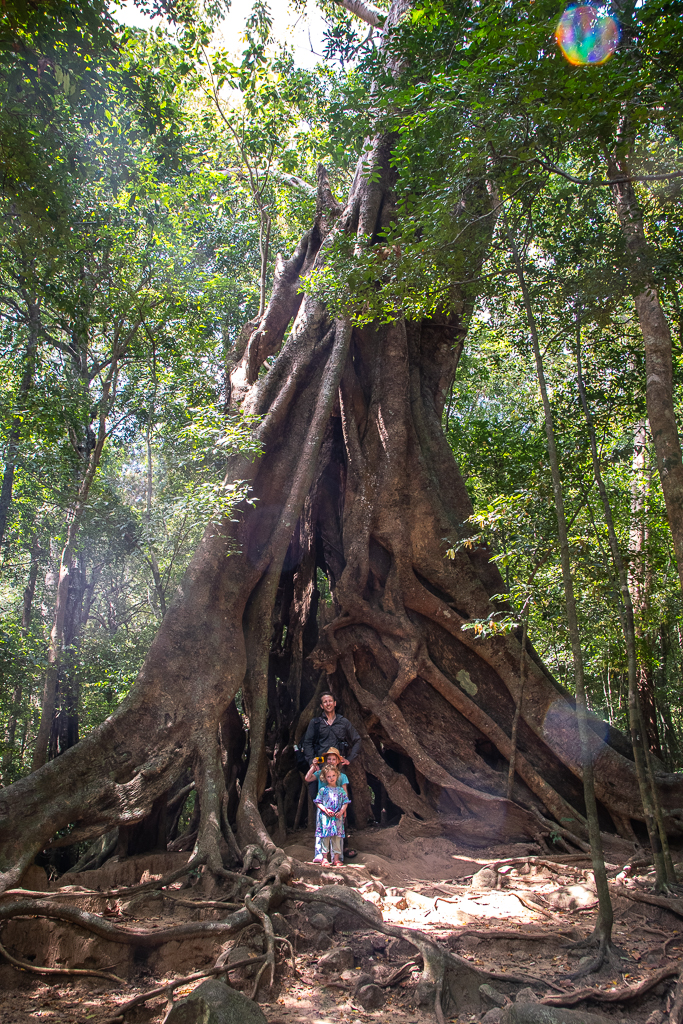
At the top of the path was an ancient banyan tree – 1500 – 1600 years old, its buttress roots big enough to stand within. I loved imagining all the people who have pilgrimaged up to meditate here.
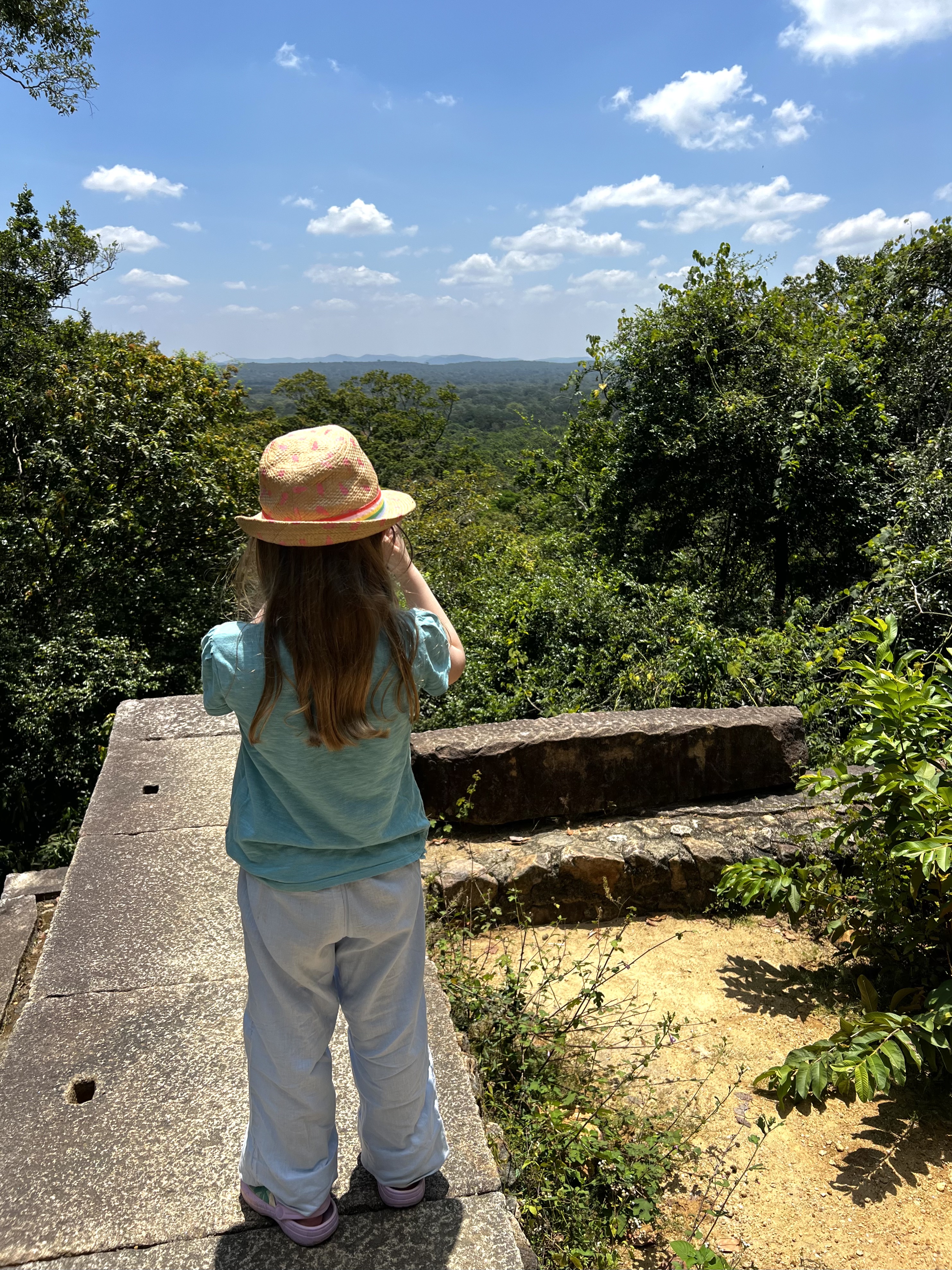
On the way back down, we took a small detour to a raised structure called The Library. It once stored palm leaf manuscripts and scholarly texts, and was (and still is) used for quiet meditation and study. The views over the jungle canopy were incredible!
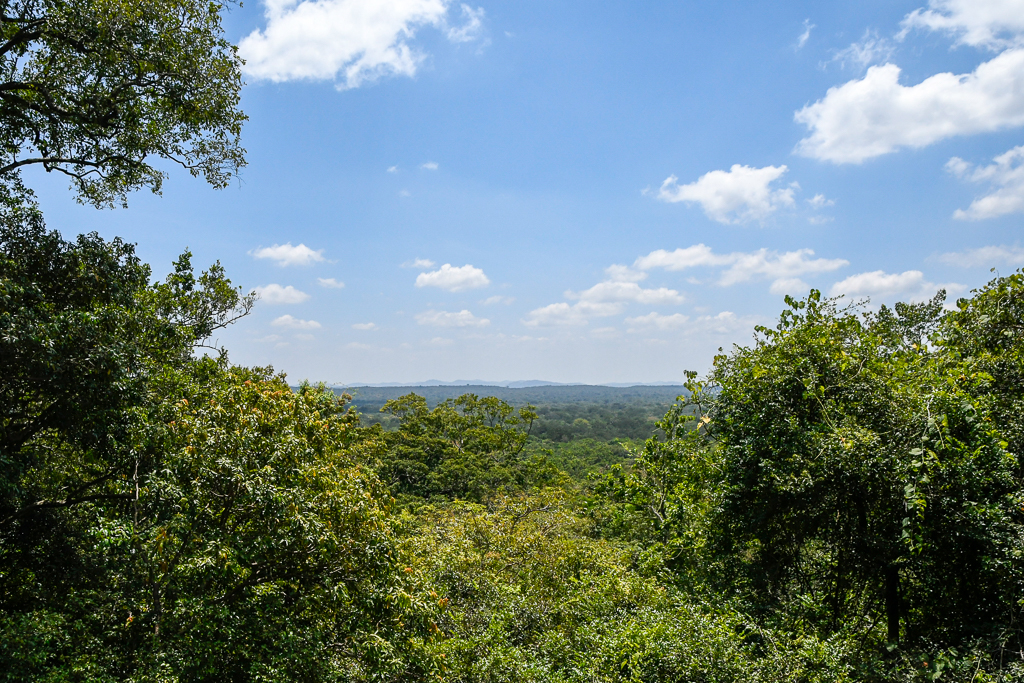
All in all, a very interesting place to visit in beautiful surroundings which need only take a couple of hours if you don’t need to add in extra time for resting due to the heat!
—
We spent the afternoon at Bissa Villa, swimming in the pool, journalling and eating a junk food lunch from the local shop, Cargill’s!
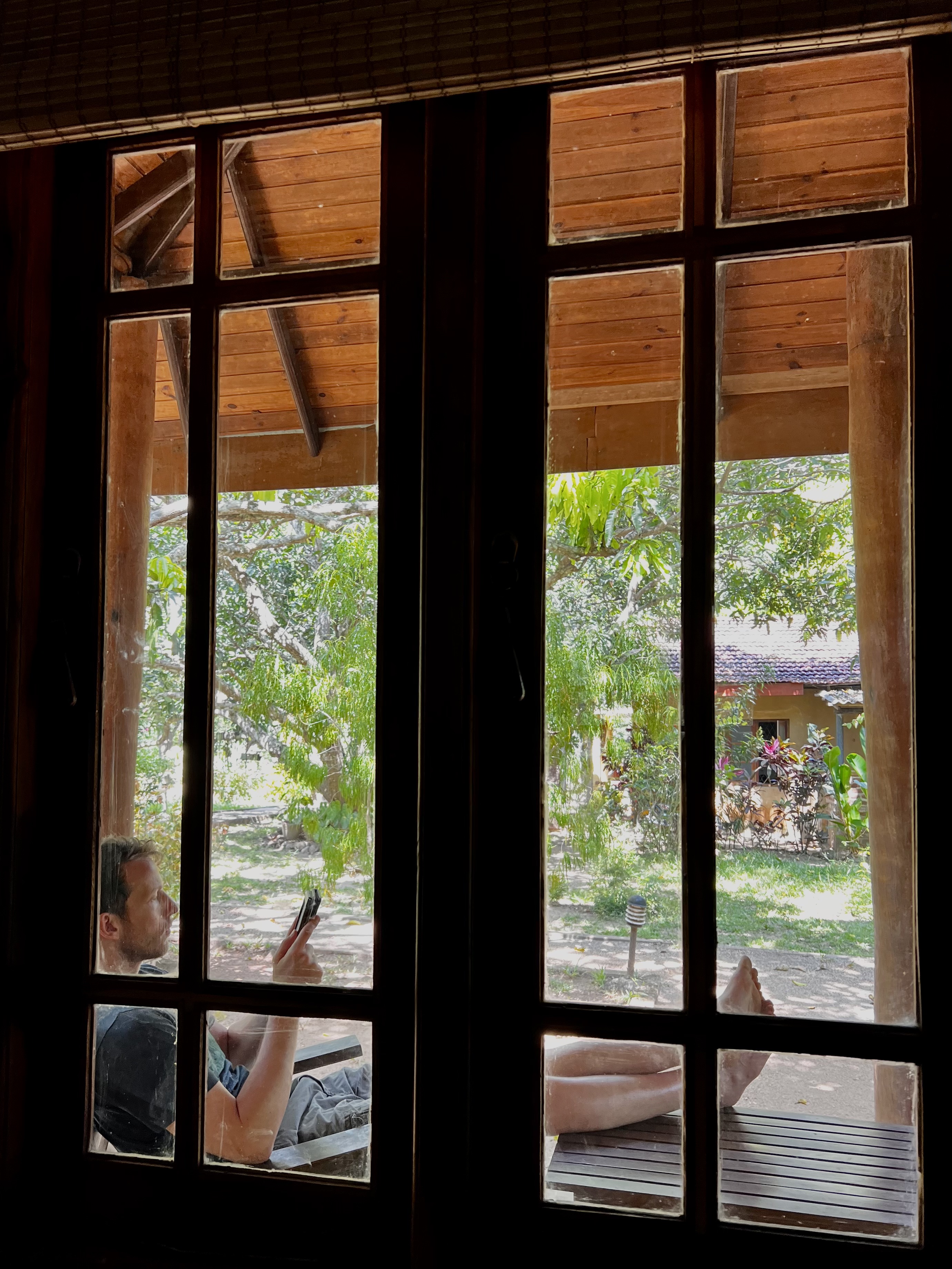
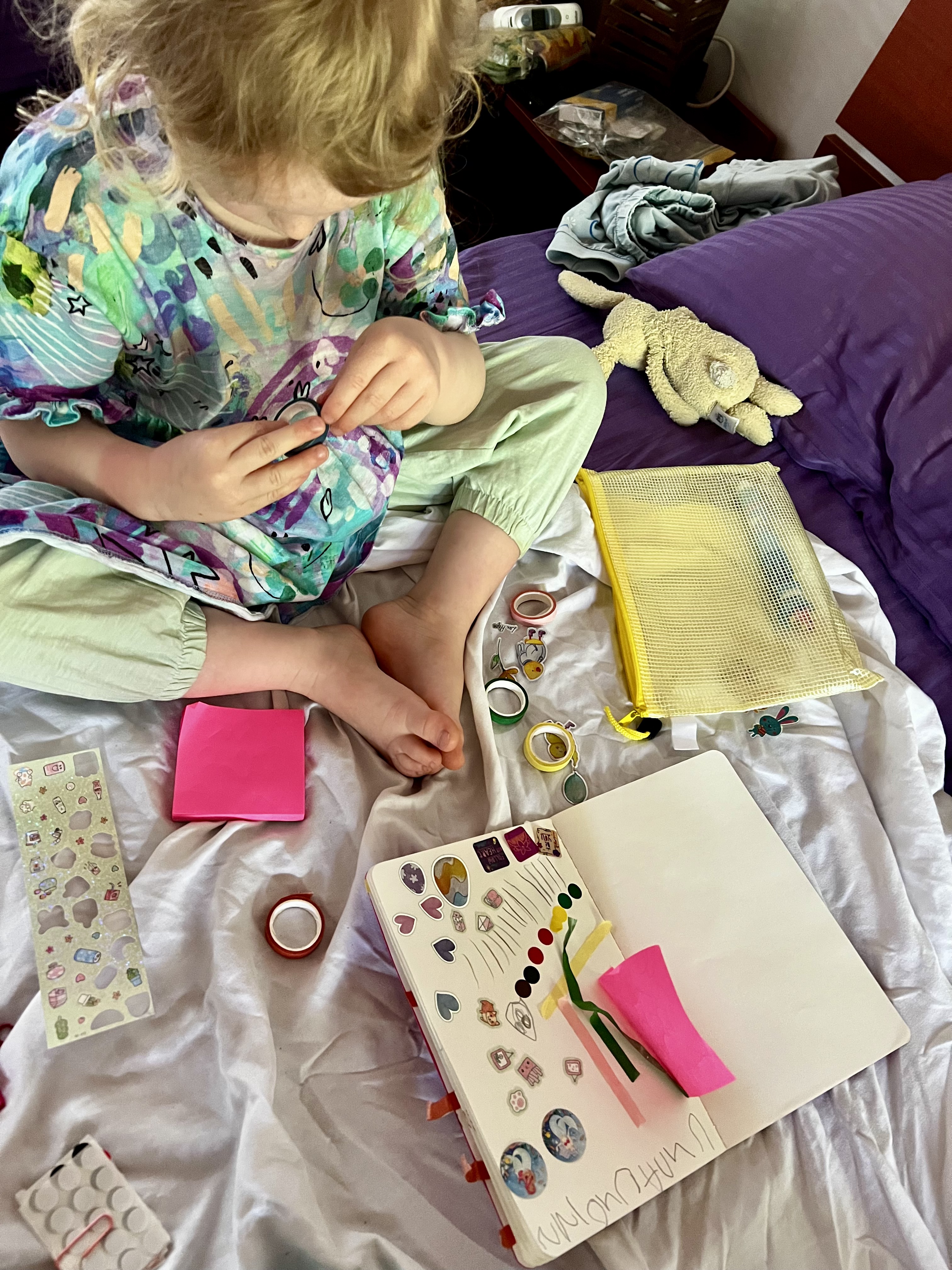
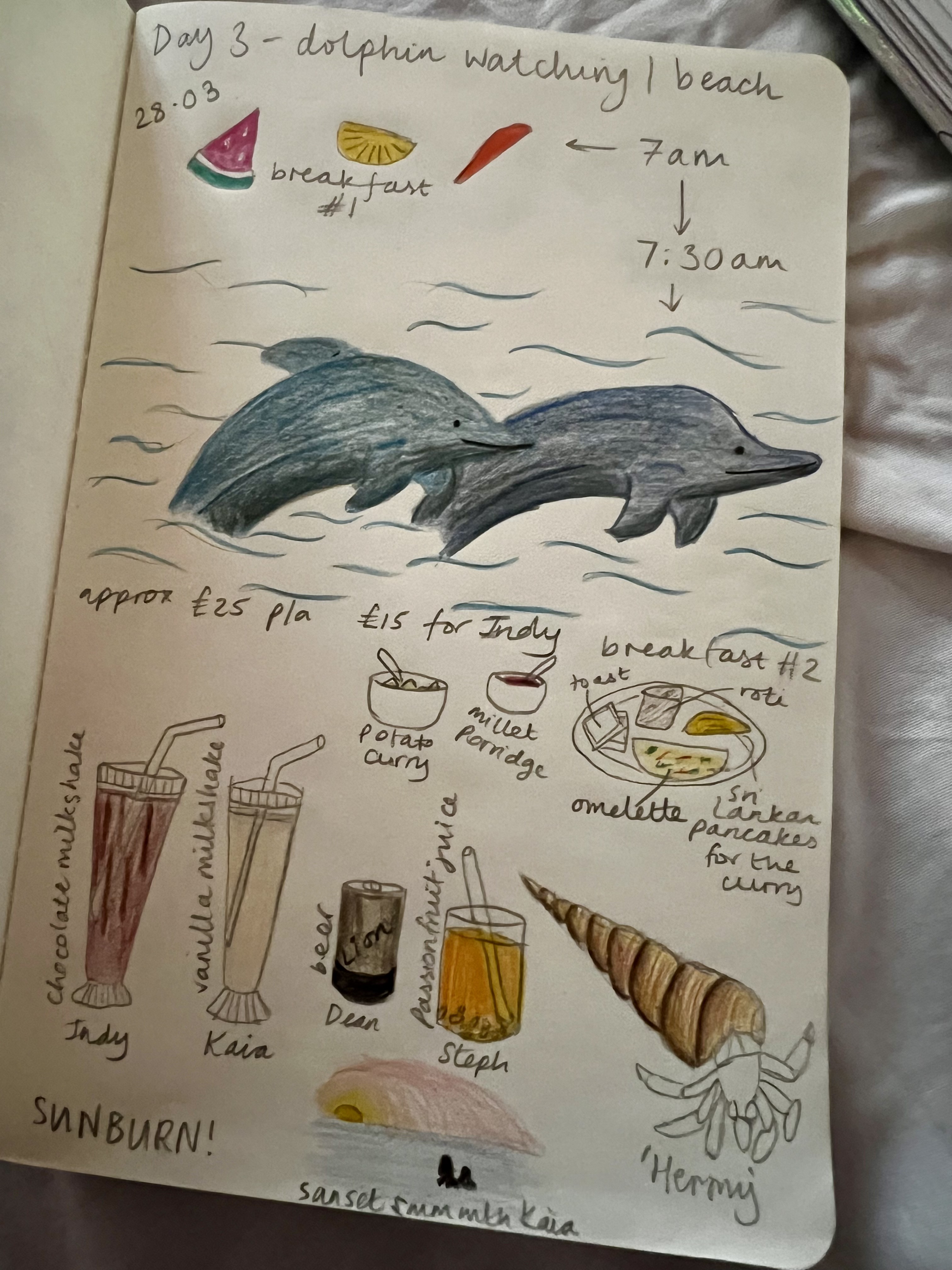
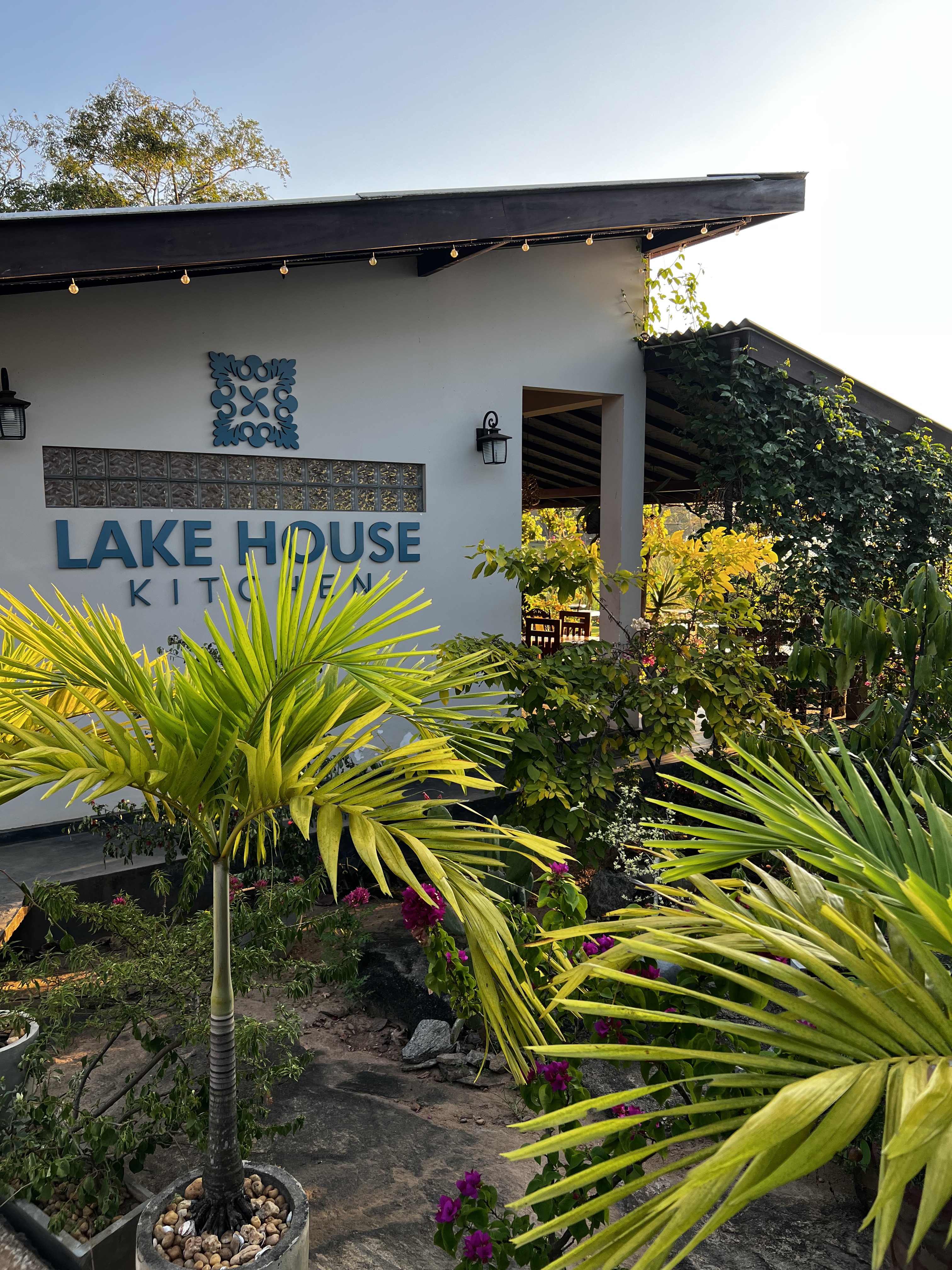
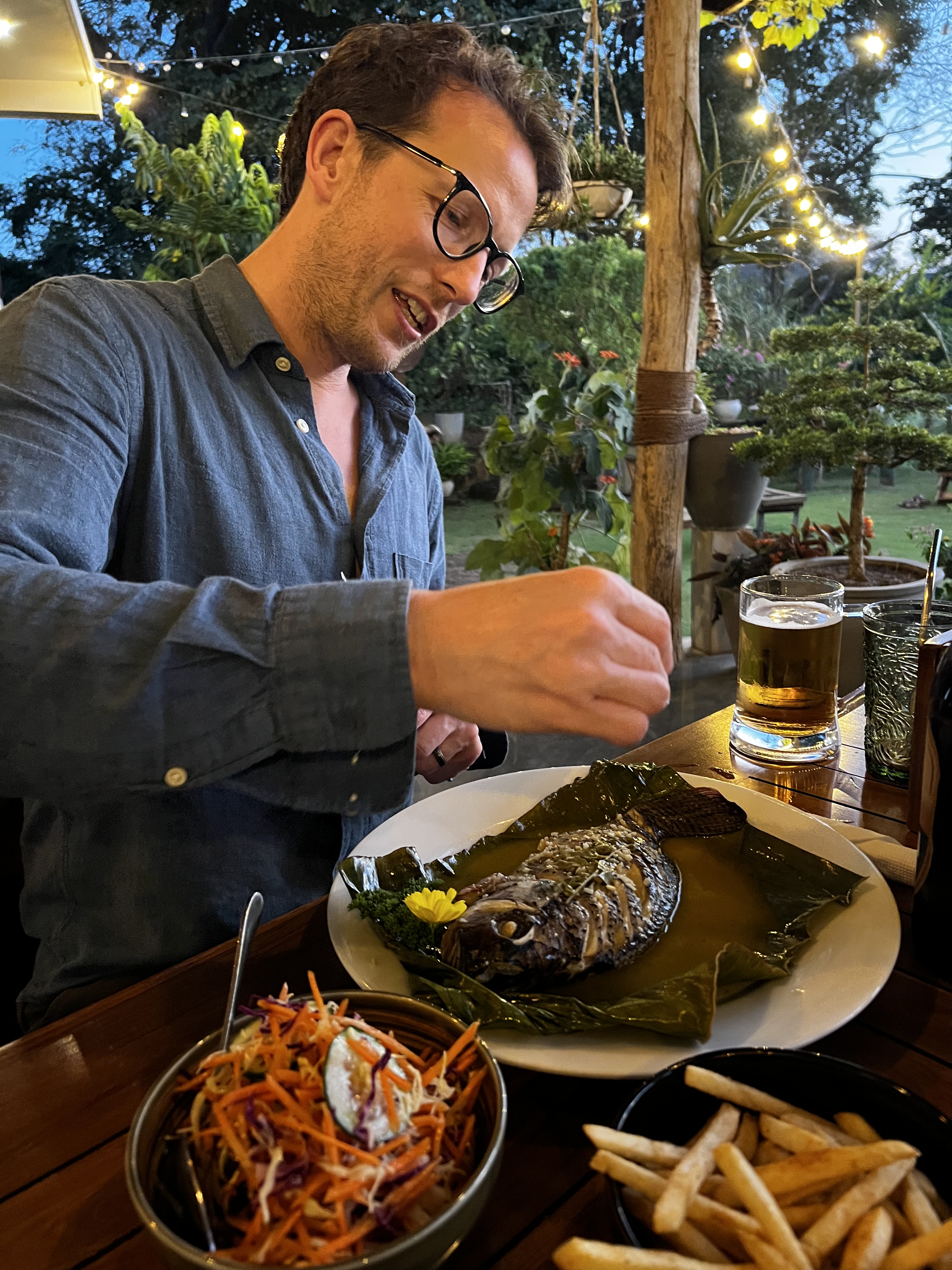
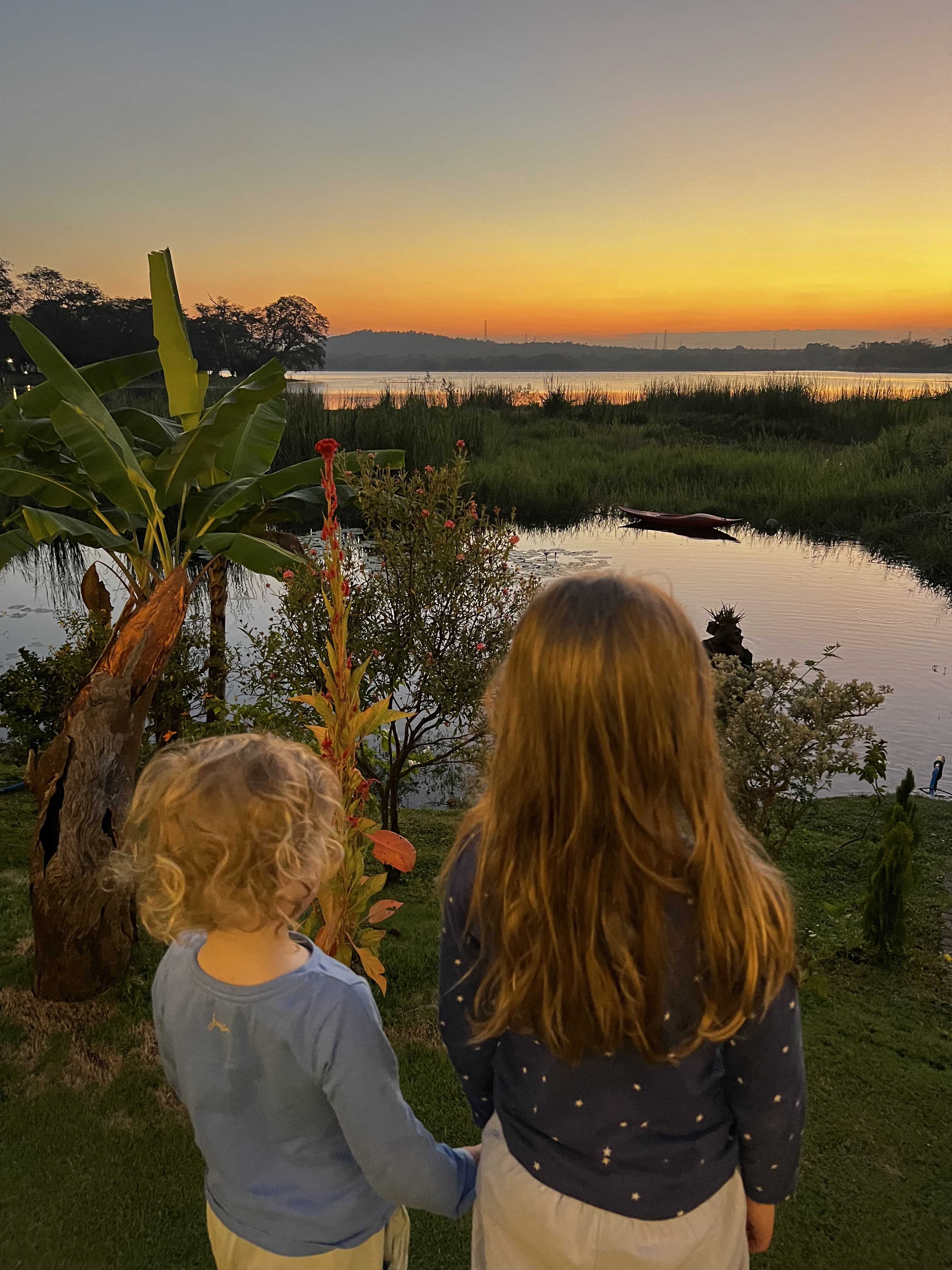
We really recommend a beautiful sunset meal at Lake House Kitchen. Pricey for Sri Lanka at £10 a main but still very cheap compared to home!
Key information:
Family room at Bissa Villa: £52/$70 p/n. Top tip: book direct through the accommodation for this rate.
Ritigala entry: adults £3.75/$5, children £2.20/$3. Guides are available at the ticket desk although we didn’t have one. Toilets but no other amenities as far as we could see.
Check back soon for part 4 featuring the fascinating UNESCO World Heritage sites of Polonnurawa and Sighiriya (Lion Rock).
Information is correct at the time of posting. For more adventures, follow us on @four_go_exploring.
Here’s our 11-night Sri Lanka itinerary which was part of a 17-day trip that also included travel days and time in the Maldives.
Day 1: fly to Colombo; travel to Kalpitiya via Anawilundawa Wetlands Reserve; evening on the beach.
Day 2: morning dolphin trip; afternoon on the beach
Day 3: morning on the beach; visit Kalpitiya town; travel to Wilpattu
Day 4: morning in Wilpattu National Park; travel to Habarana
Day 5: morning at Ritigala; afternoon by the pool/afternoon at Sigiriya
Day 6: morning at Polonnaruwa; afternoon by the pool
Day 7: morning walk and cooking class; afternoon at Hurulu Eco Park
Day 8: morning at Dambulla Caves; travel to Wasgamuwa
Day 9: morning in Wasgamuwa National Park; afternoon by the pool
Day 10: morning by the pool; travel to Negombo: evening exploring Negombo
Day 11: fly to the Maldives

